Author : Photographer
Priska Seisenbacher, born 1990, lives in Vienna. Her publications provide particular insights into the realities of life for women and religious minorities in the Islamic world and are published e. g. in GEO or National Geographic.
Her work on the life Afghan Pamir Mountains was awarded with the Timothy Allen Scholarship Award and her reportage about an Indo-European minority in Pakistan was awarded with the real21 research scholarship.
For the past four years, her focus has been on Pakistan. In her most recent book The Women in the Karakoram she relates cultural-religious, historical and political connections to the people whose stories she tells. The book was published by National Geographic Germany in 2023 and was awarded with the Austrian non-fiction book scholarship from Literar-Mechana.
Portfolio
Fly High and Play Free
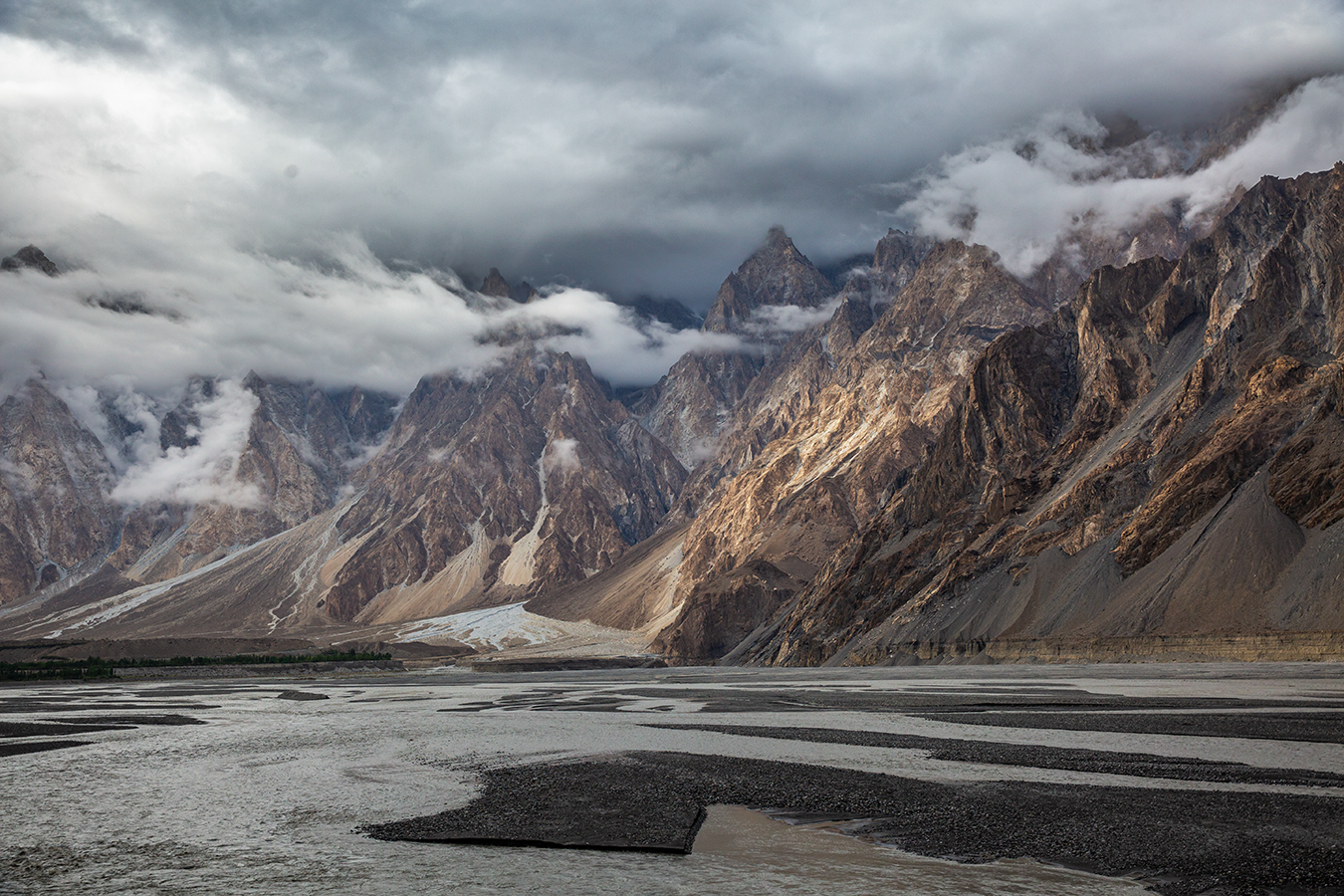
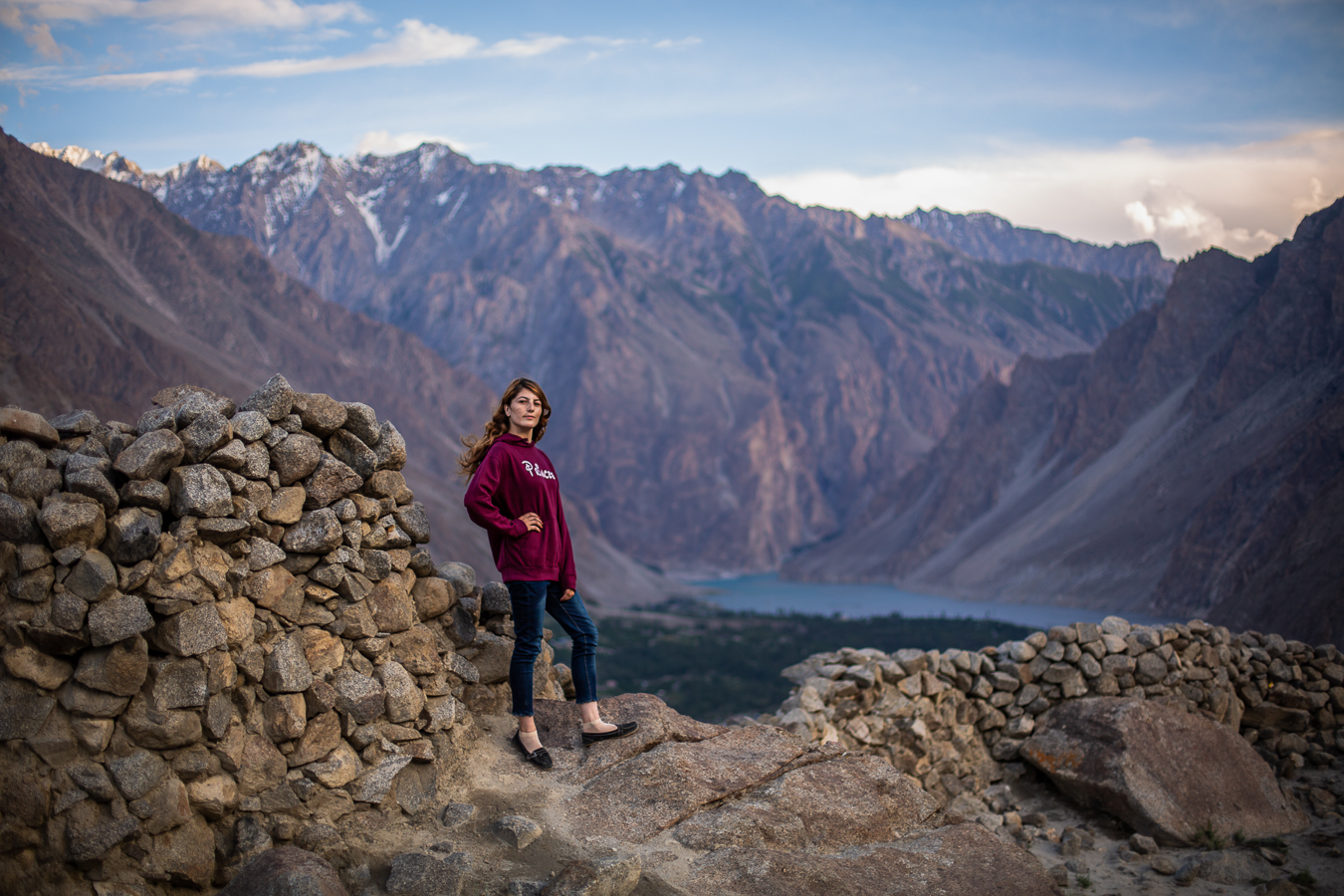
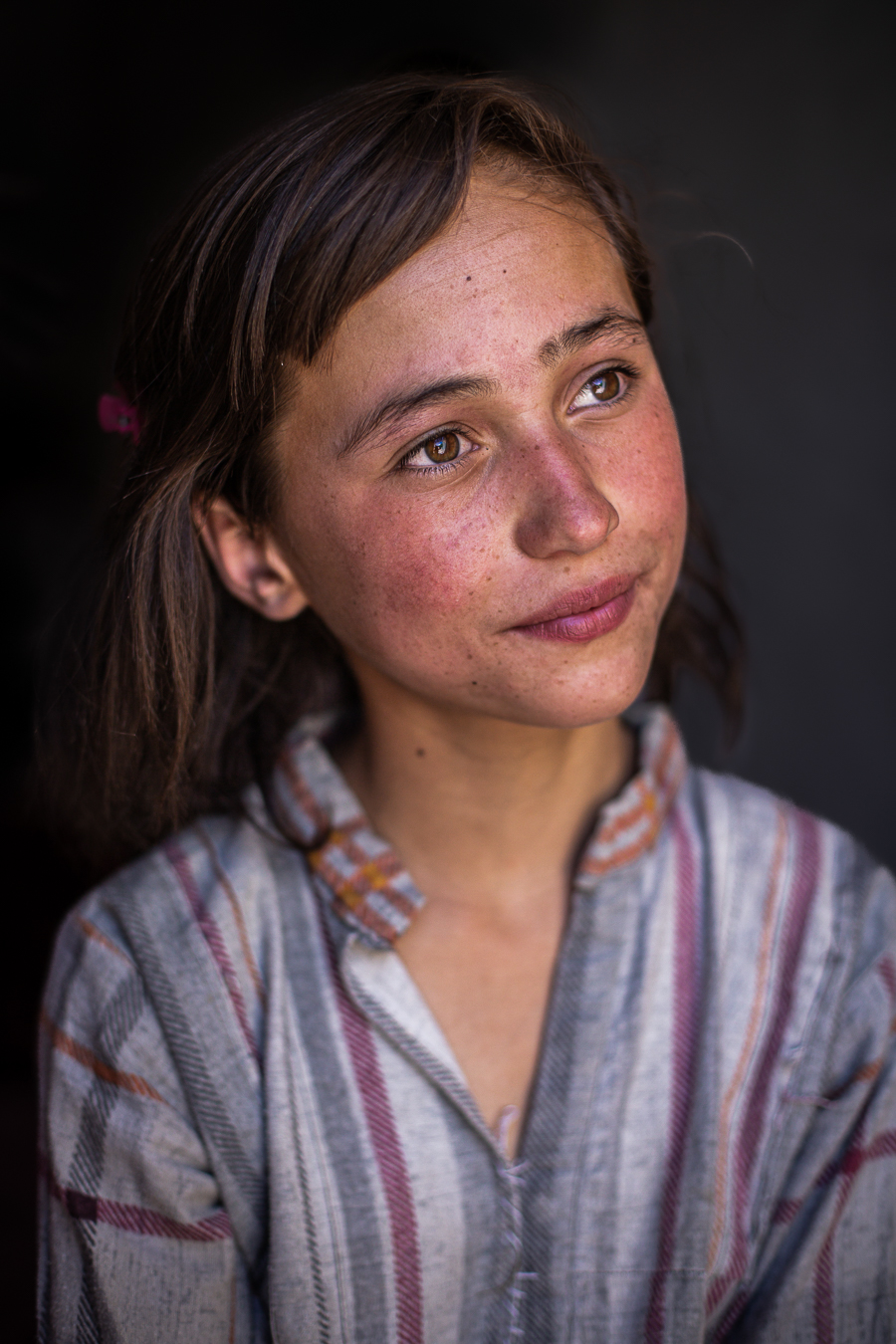
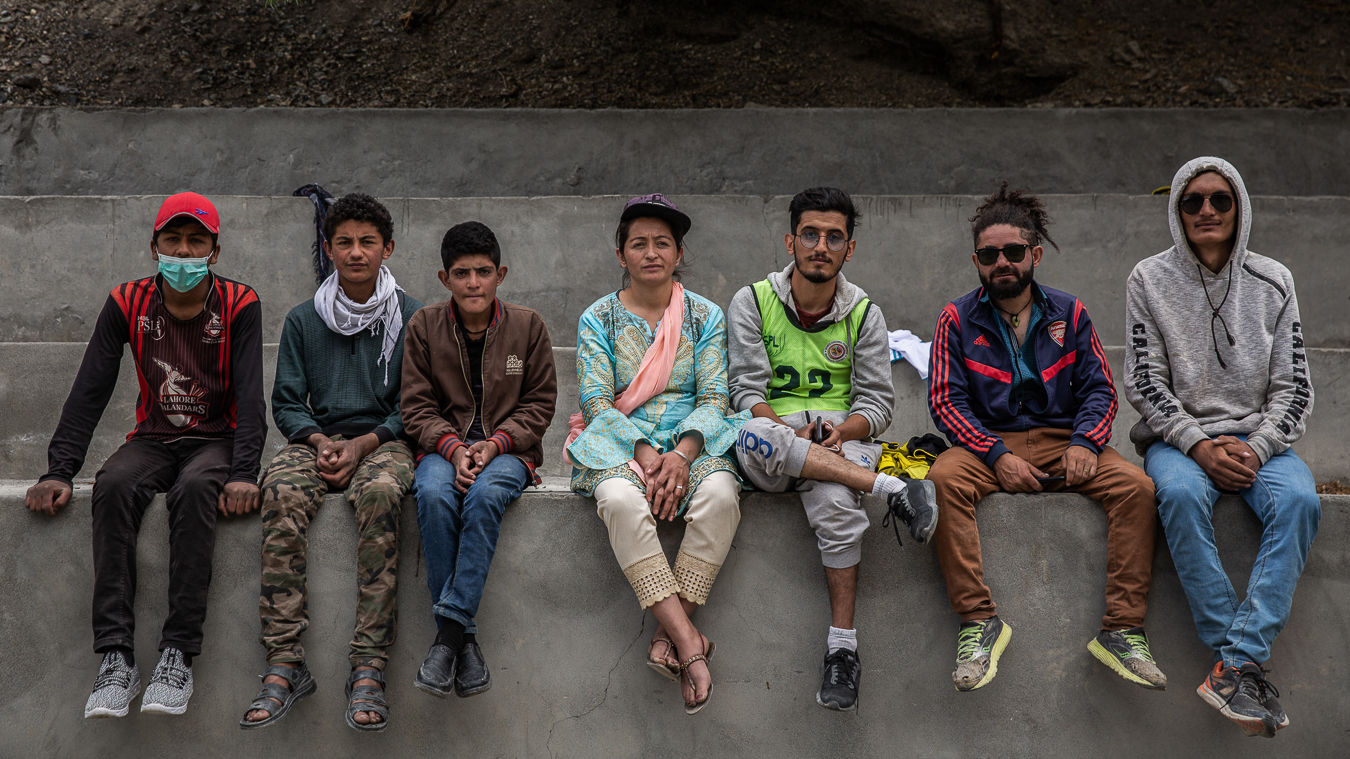
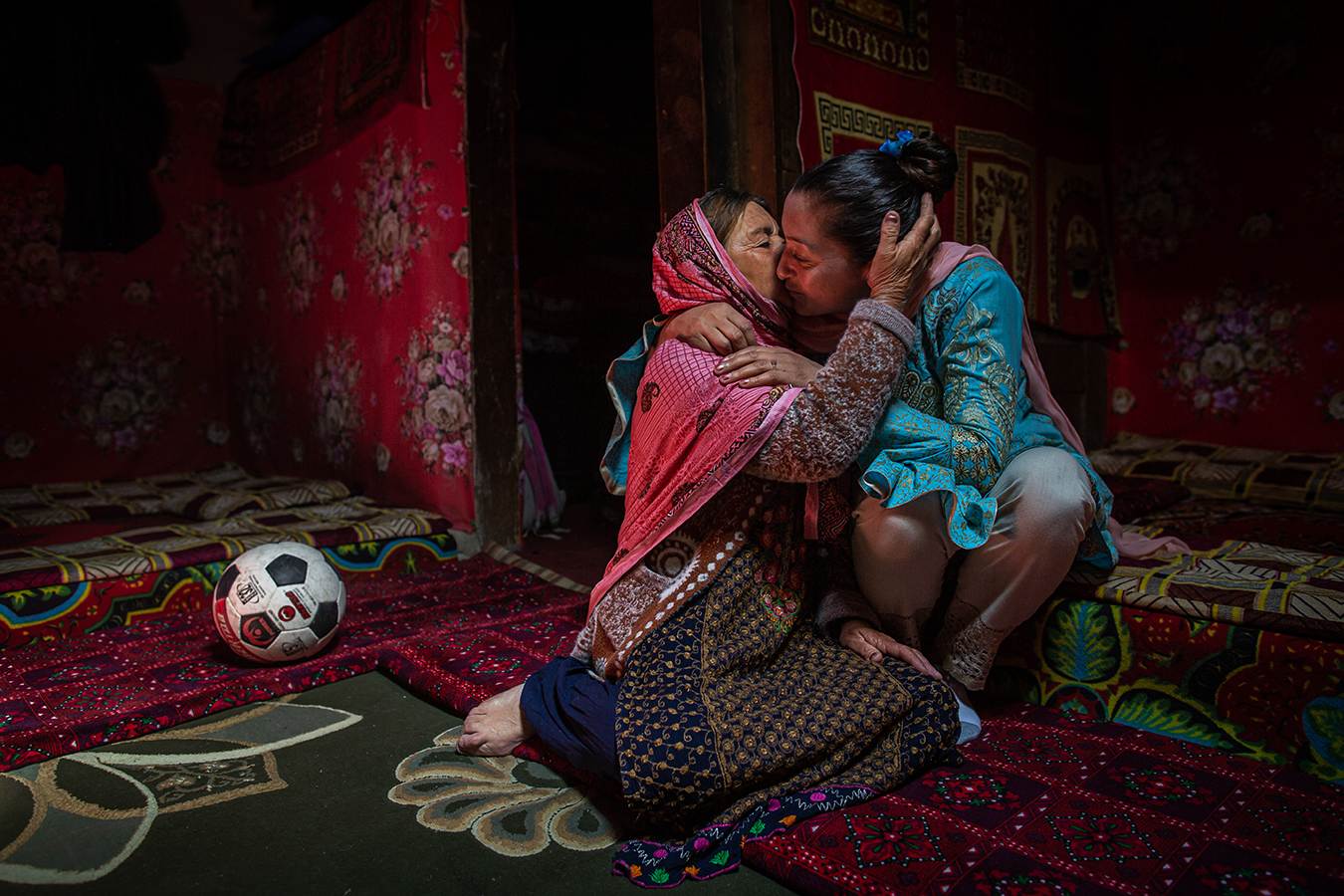
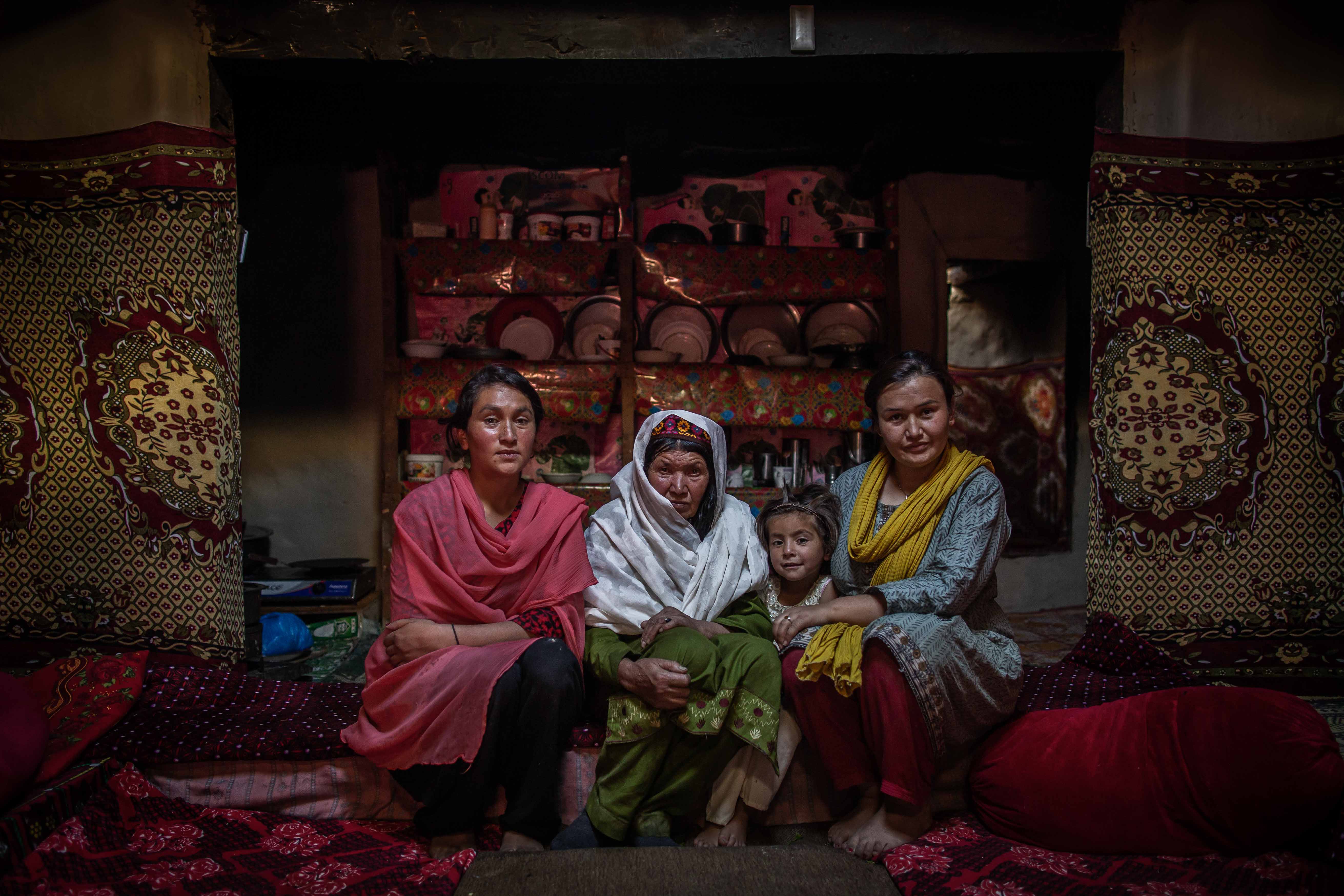
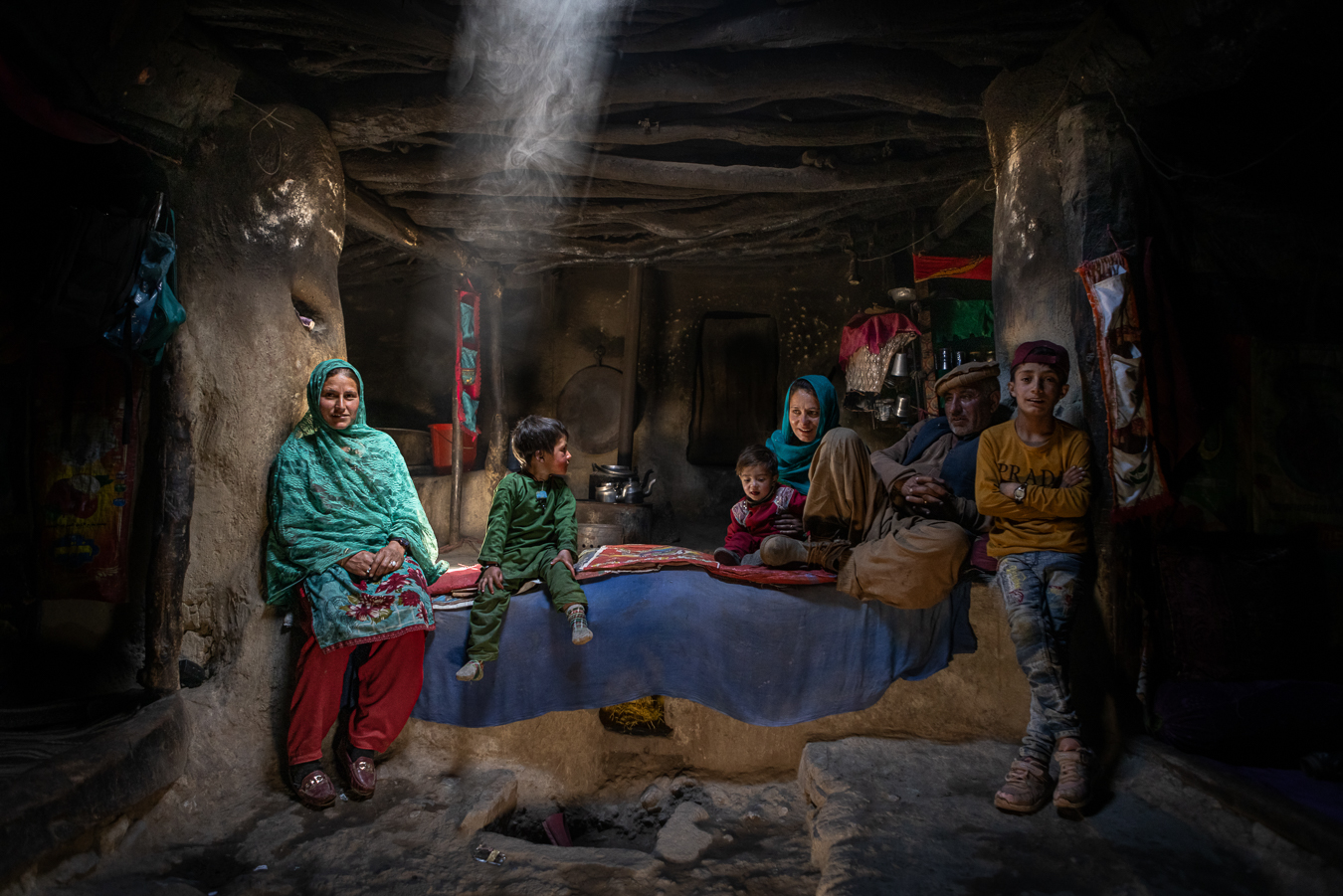
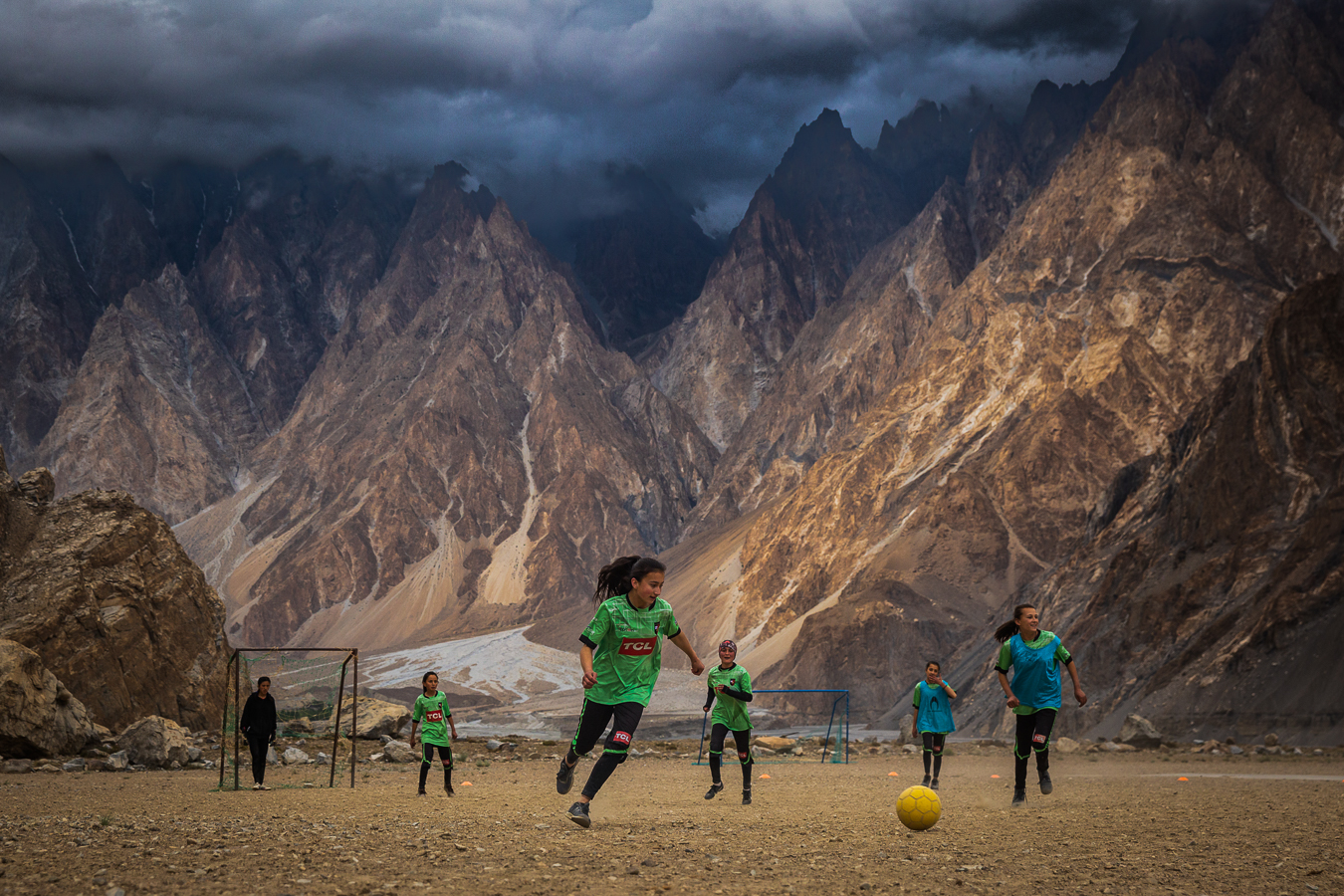
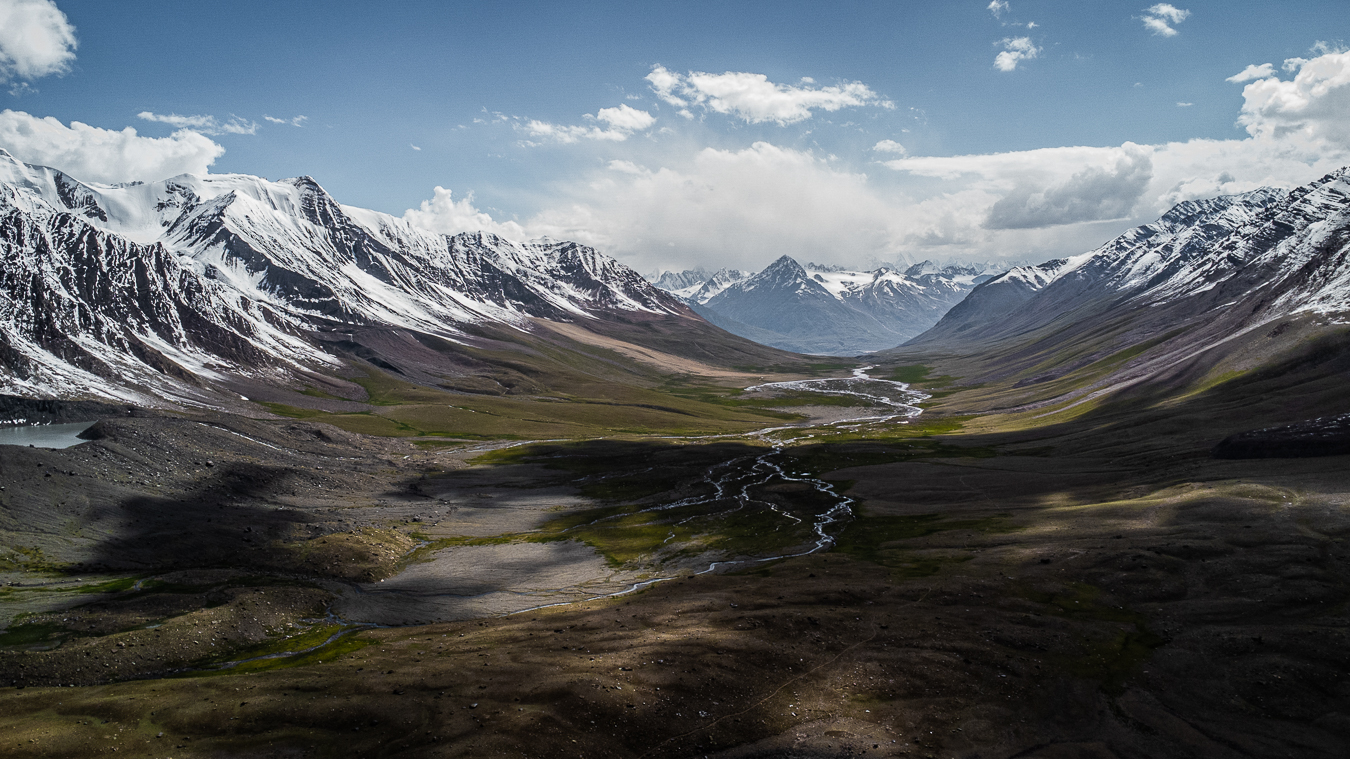
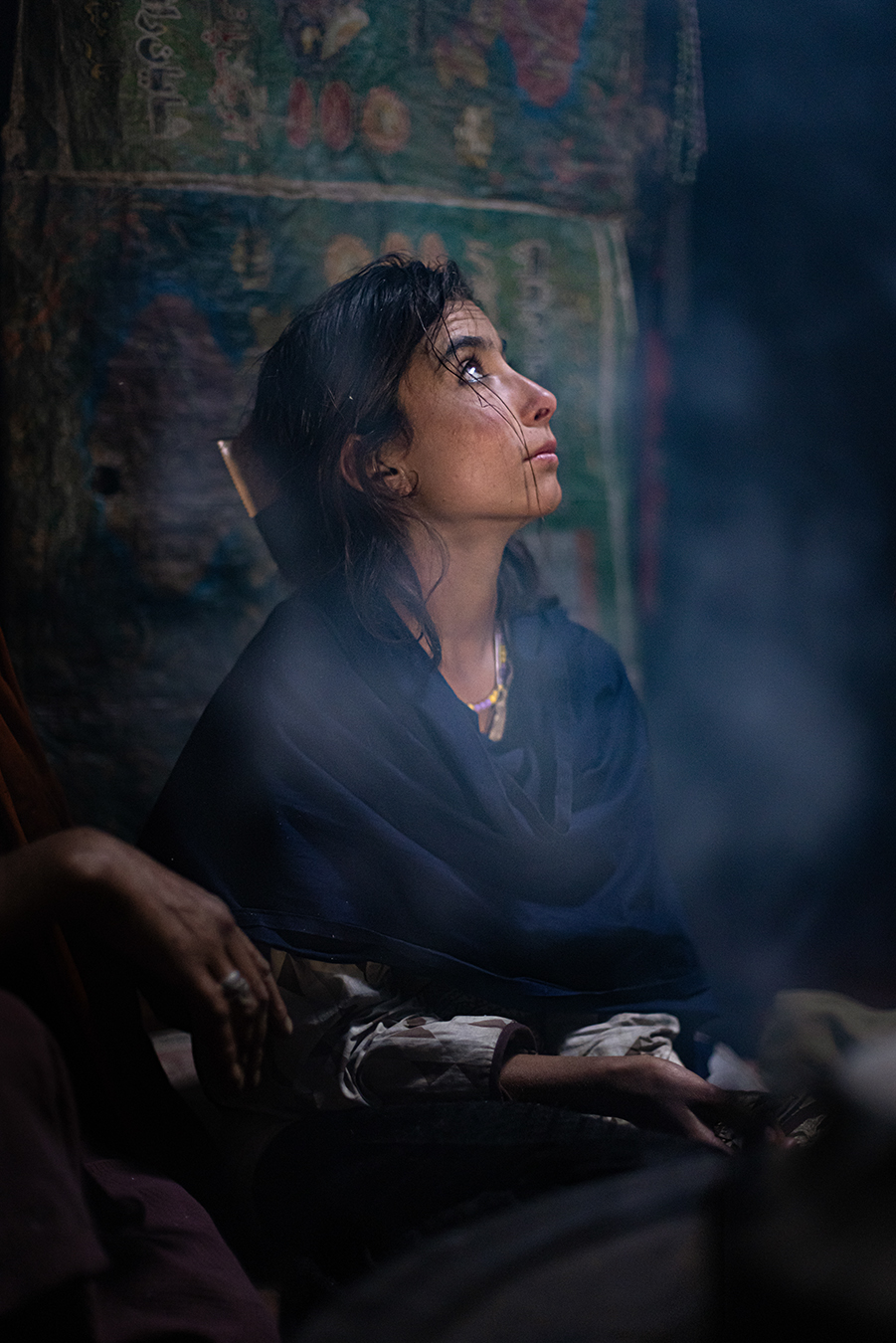
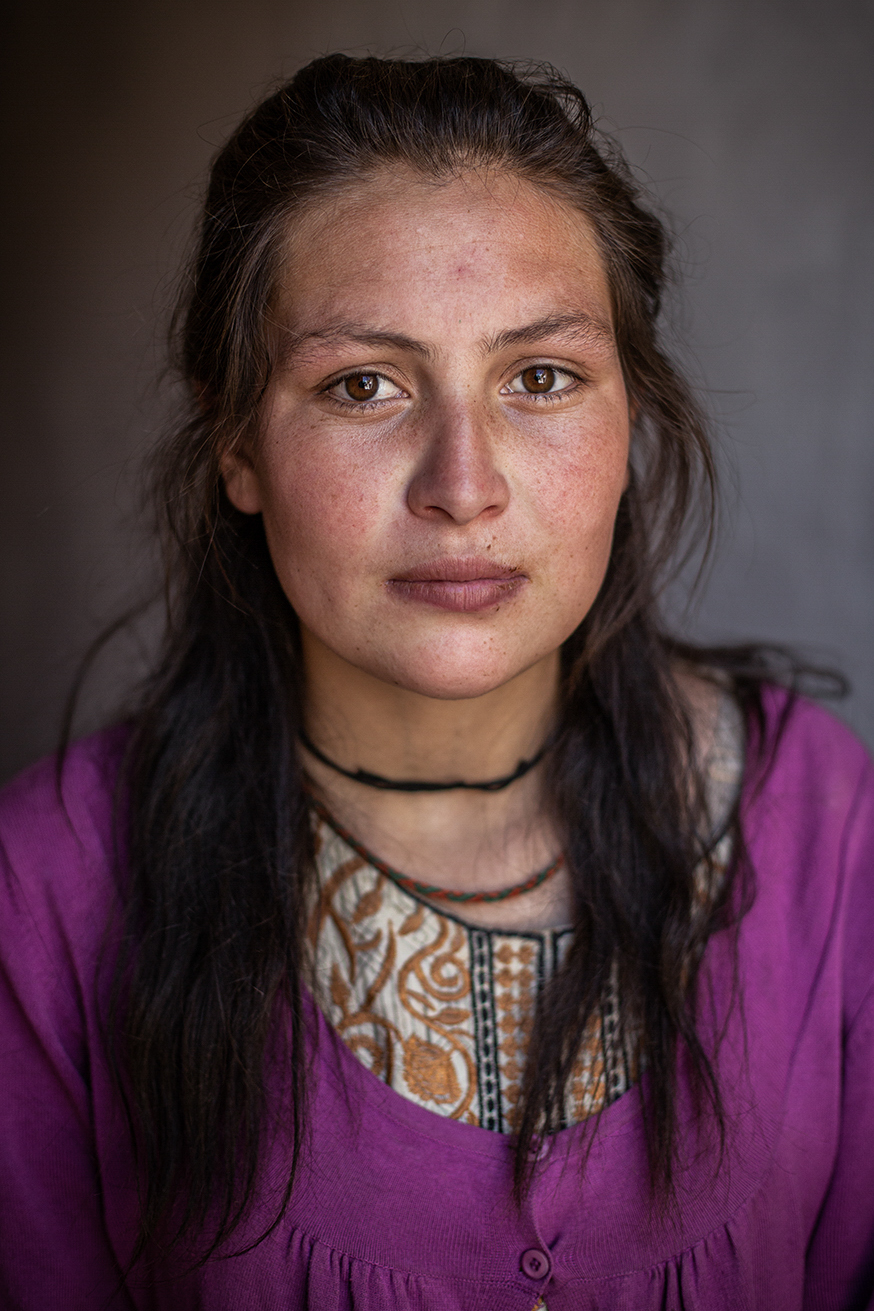
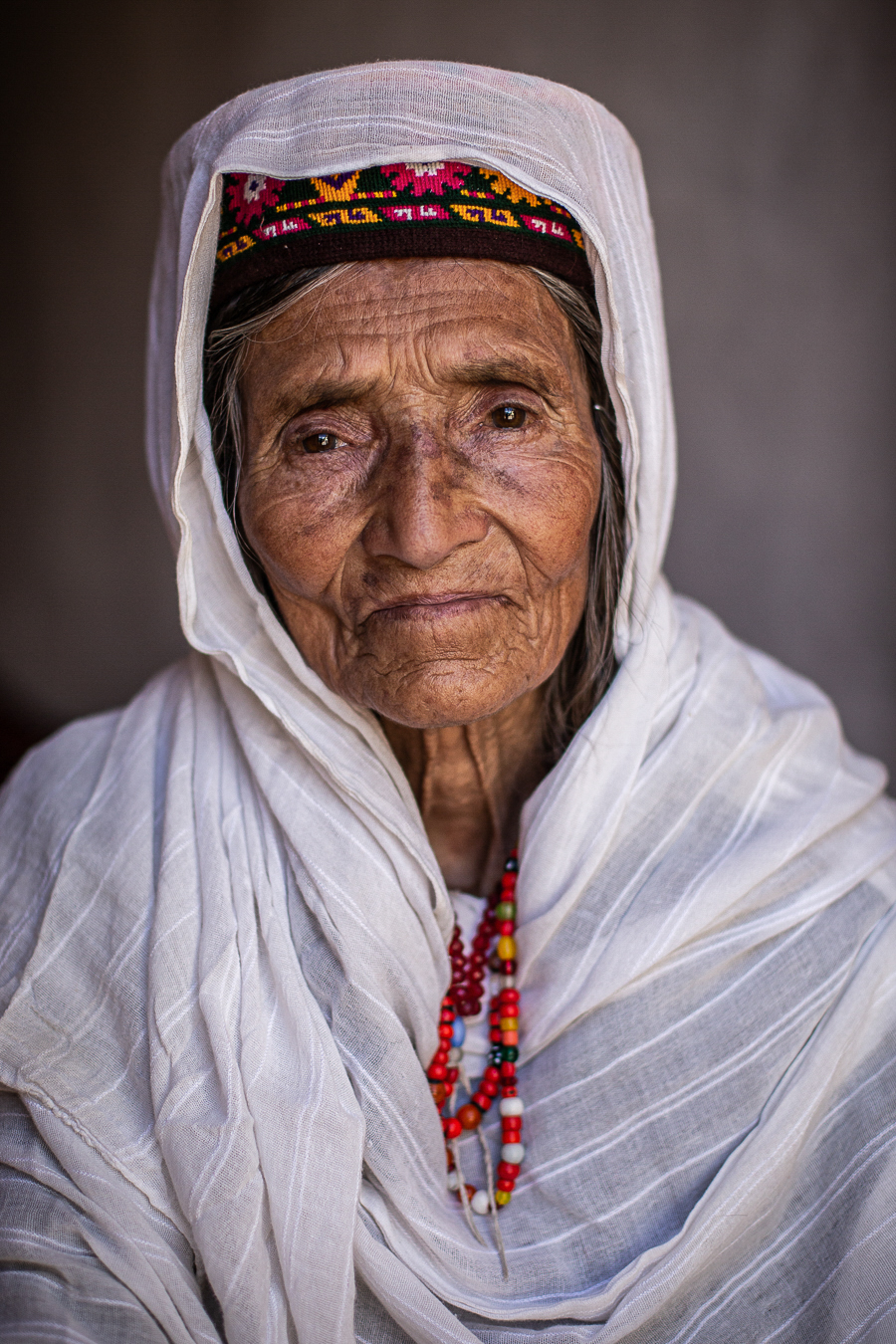
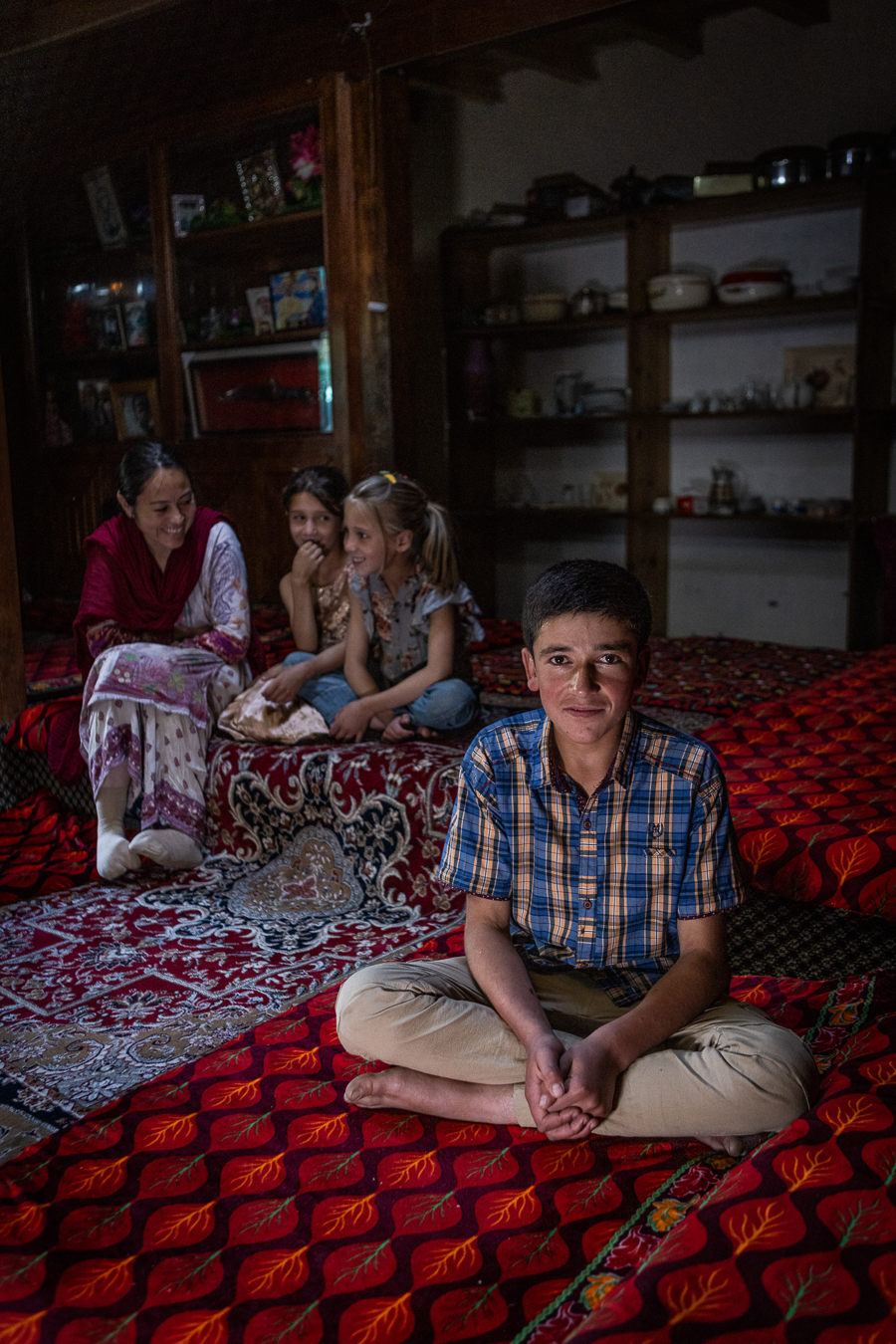
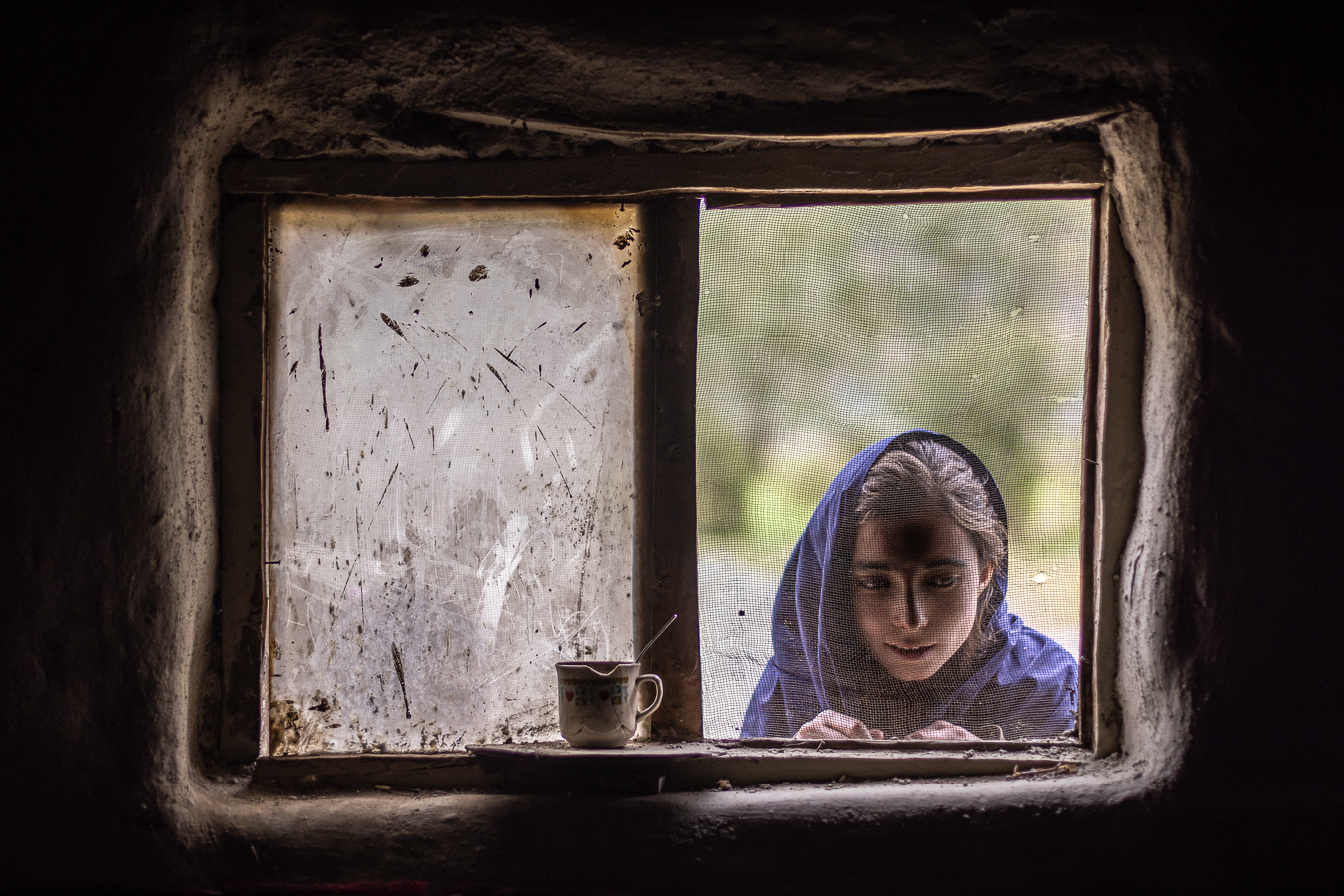
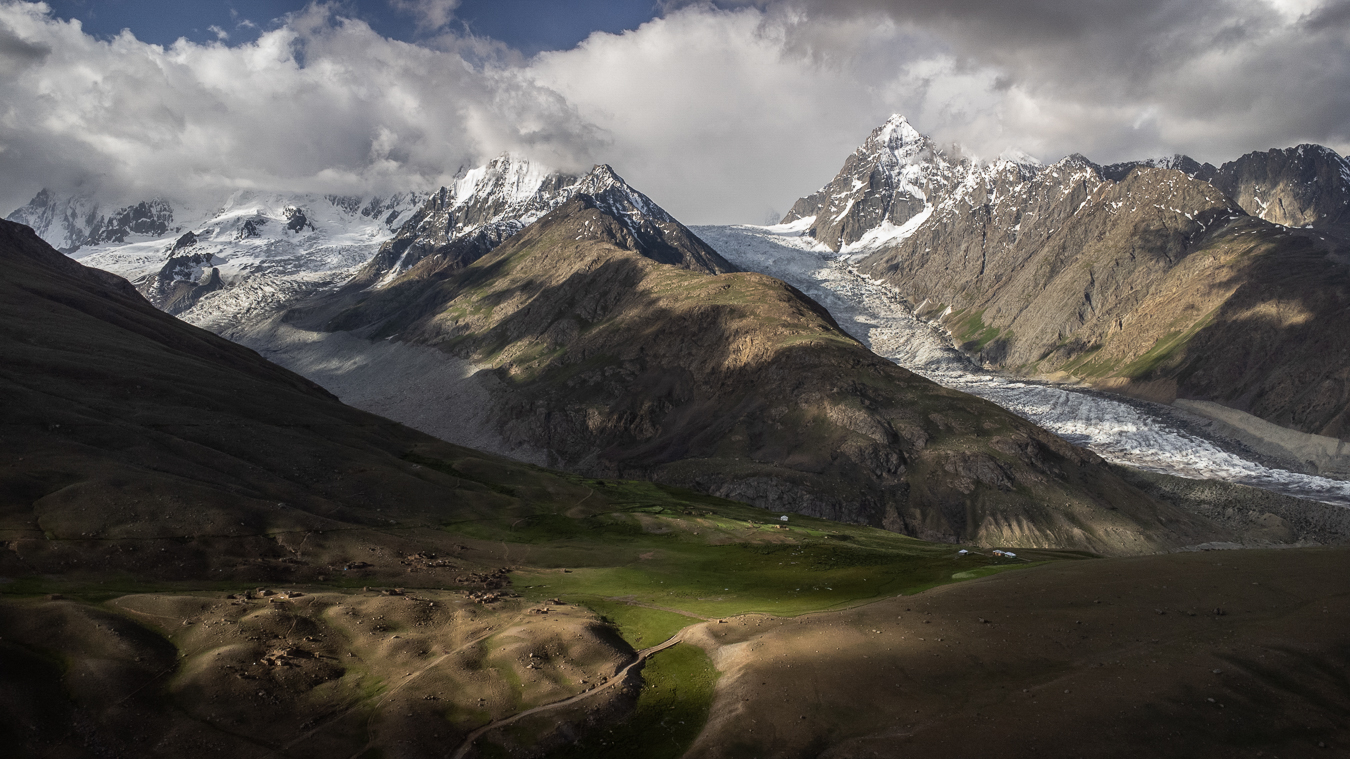
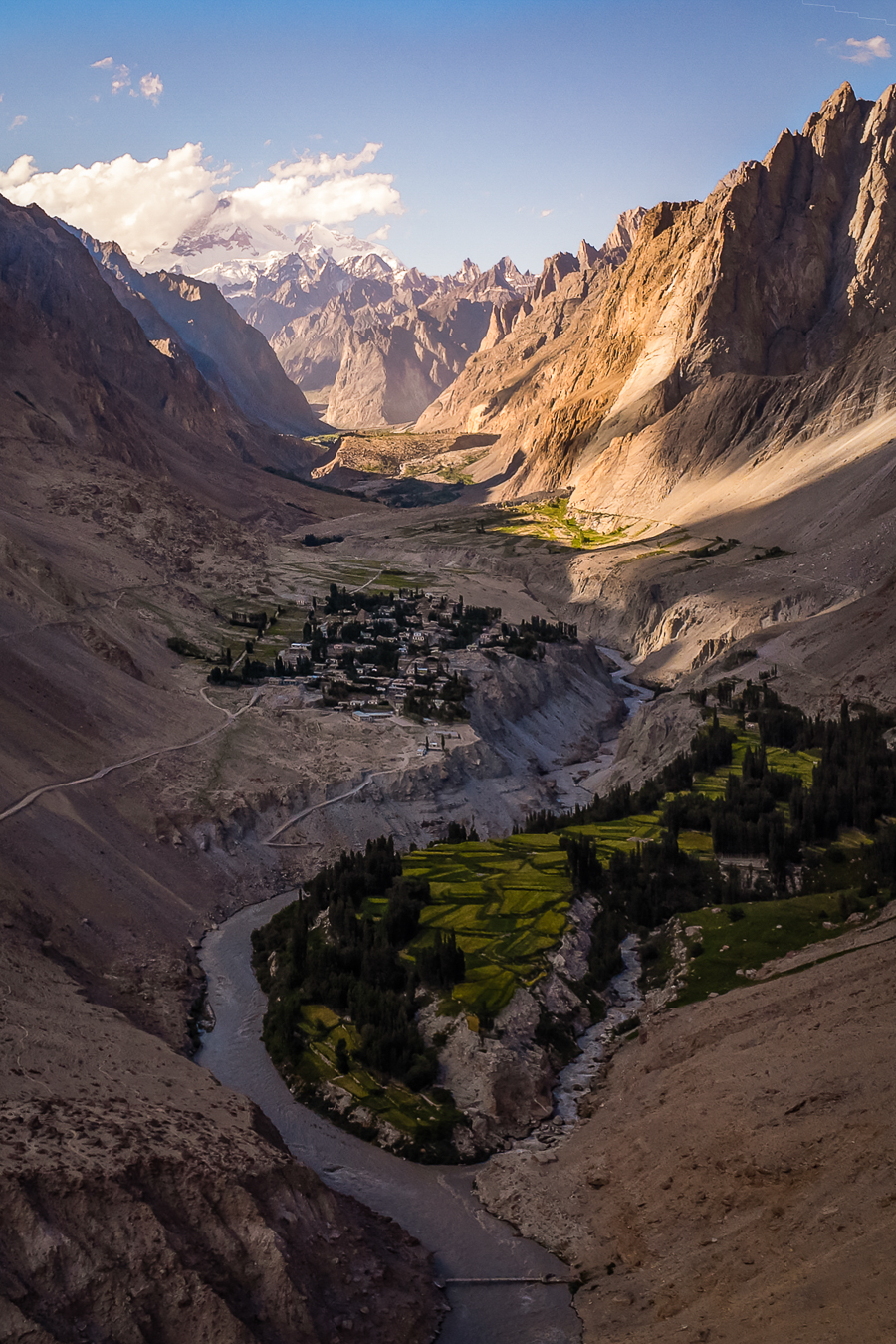
It's not just the mountain peaks that want to go high in Pakistan's Karakoram mountains, but also the women. As they soar, they achieve university degrees, play football in public and have jobs. How can it be that in a remote mountainous area on the border with Afghanistan, women have freedoms that are unthinkable in many parts of the country? Above all, the faith of the Ismailis and their religious leadership by Aga Khan are responsible for educational success.

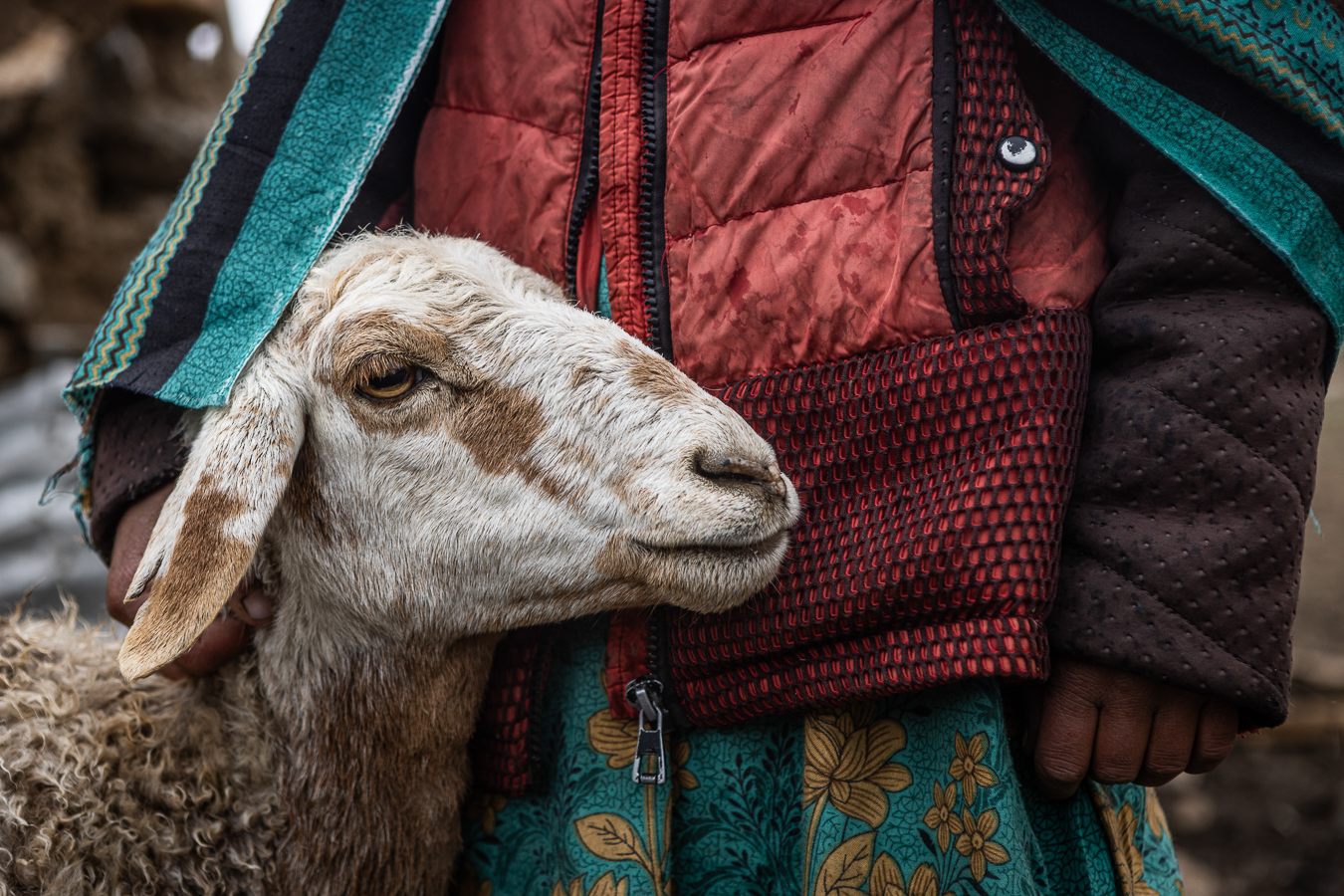
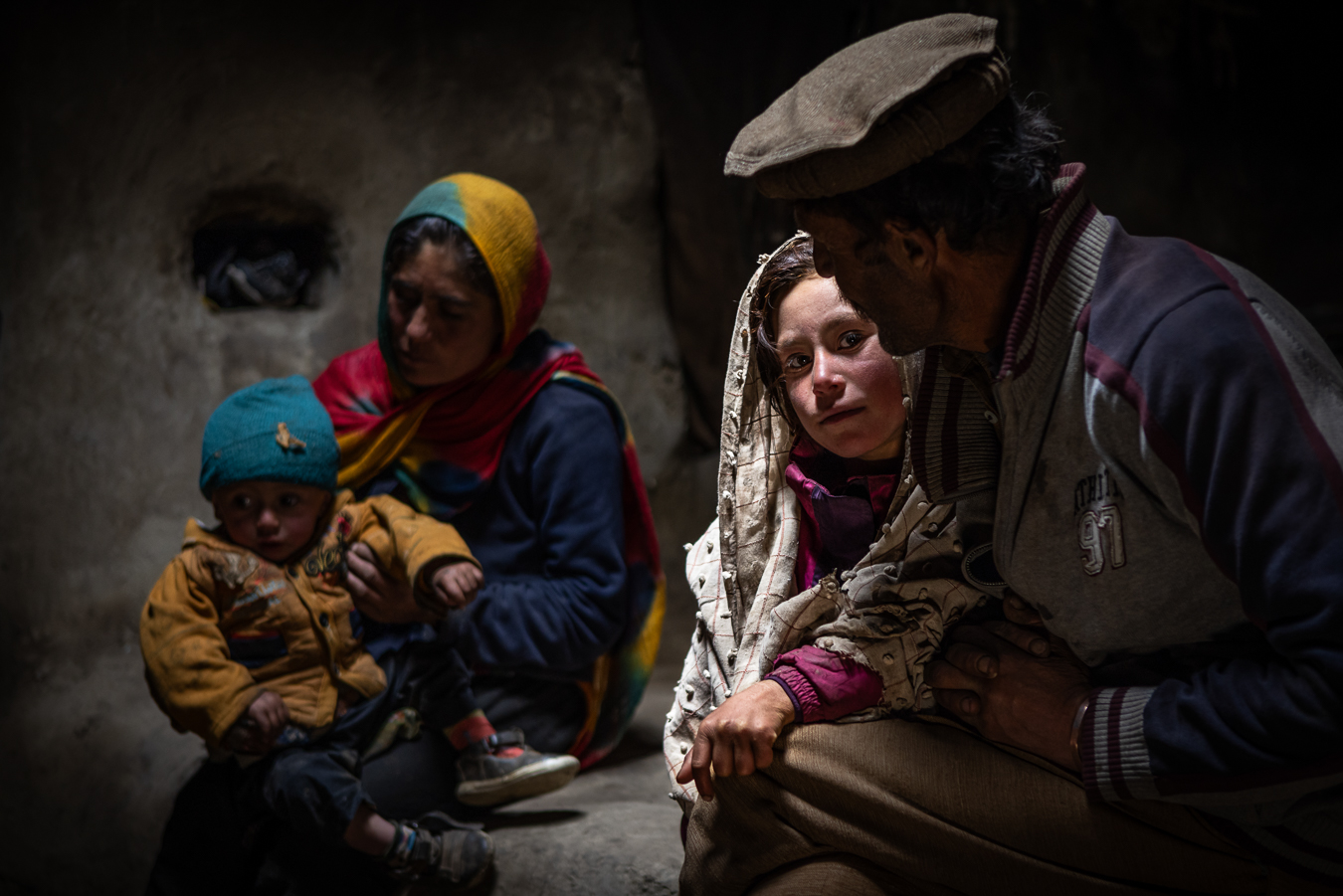
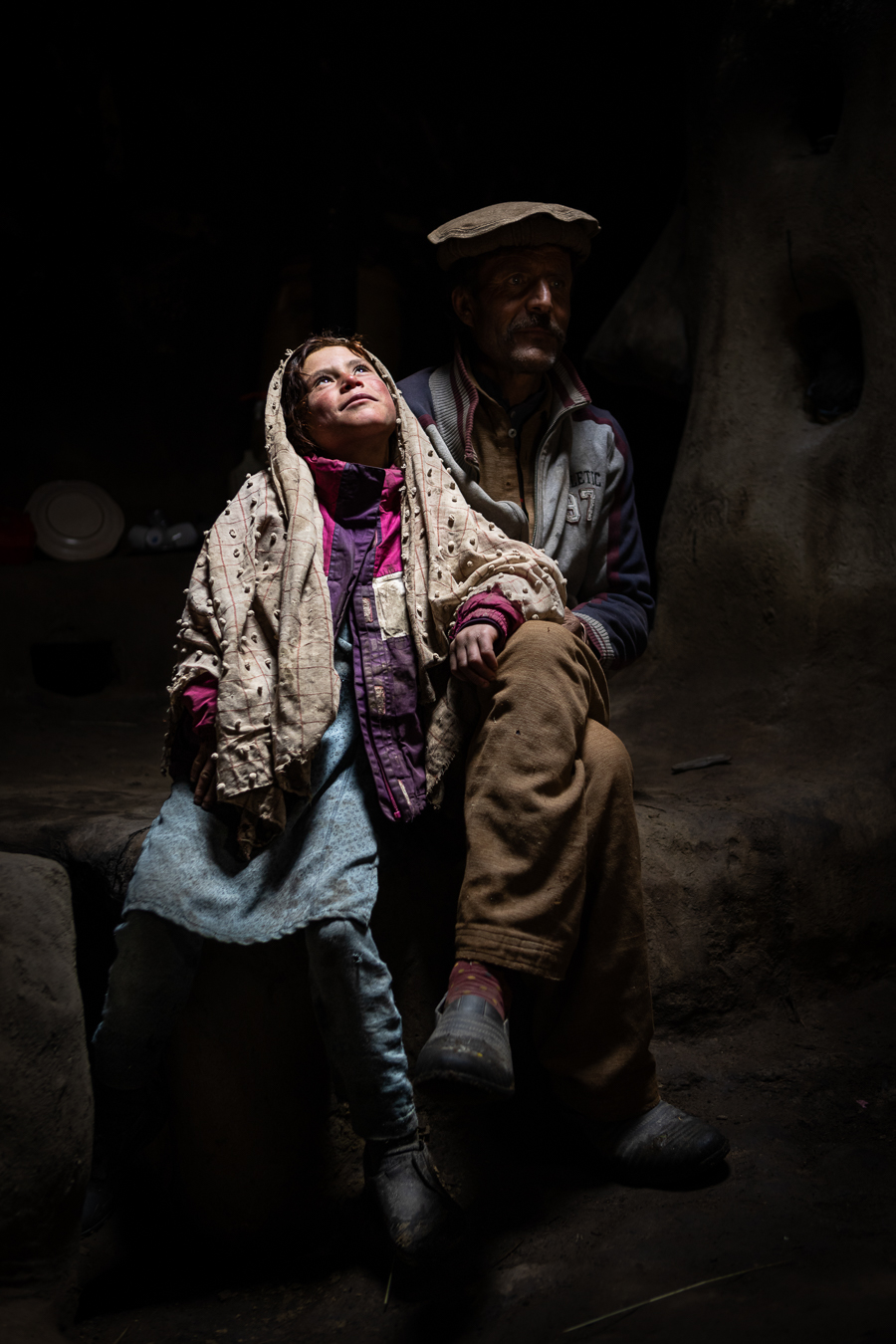
Meanwhile, in a remote valley of the Pakistani Hindu Kush lives the same population who can only dream of the achievements of their brothers and sisters in the Karakoram. Until now. Because more and more families in the Karakoram want to support their brothers and sisters in the Hindu Kush and are taking in children to finance their education. A form of local development aid that has an impact.

A story about emancipation in isolation that shows that autonomy is teamwork.
Preaching and Protesting
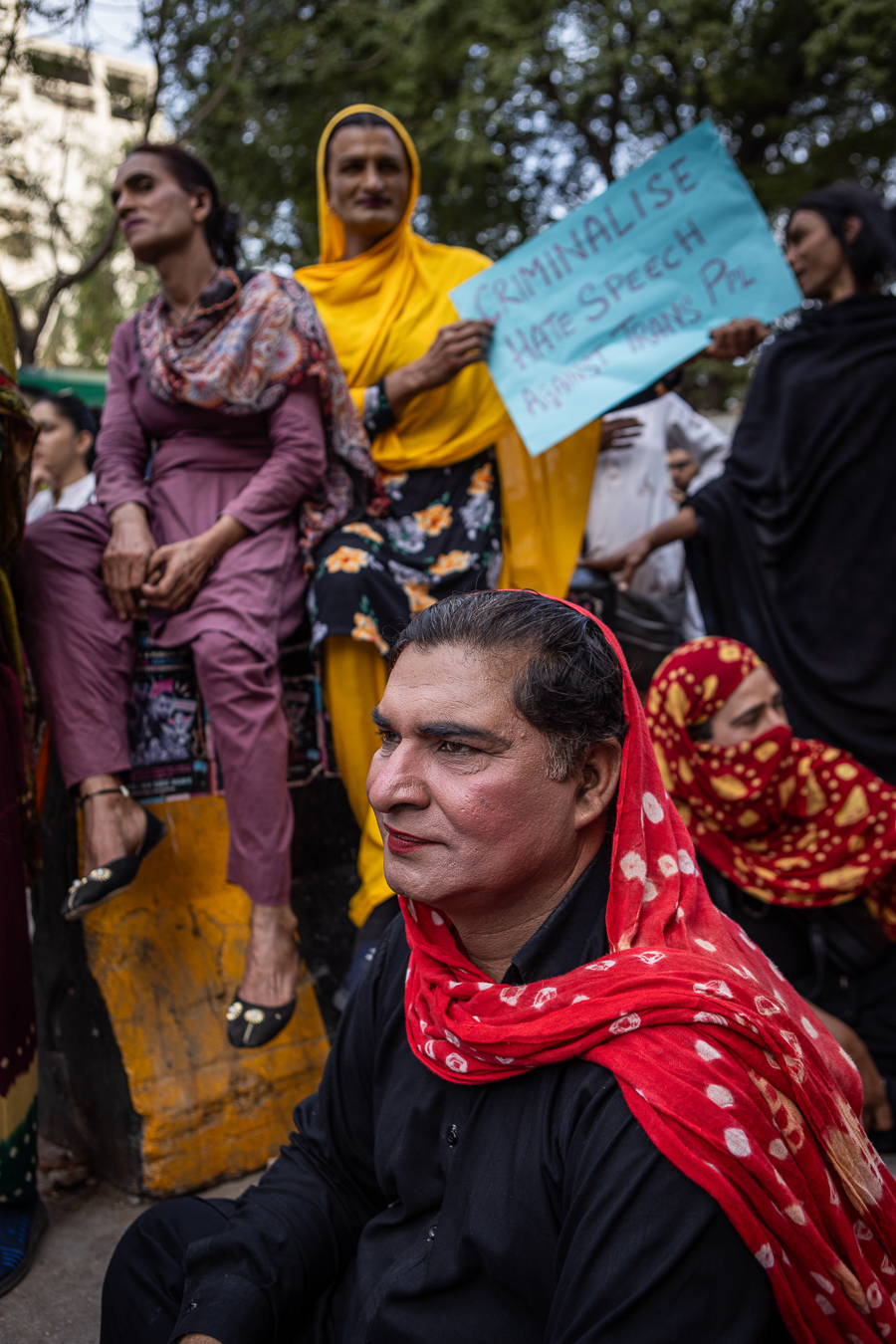
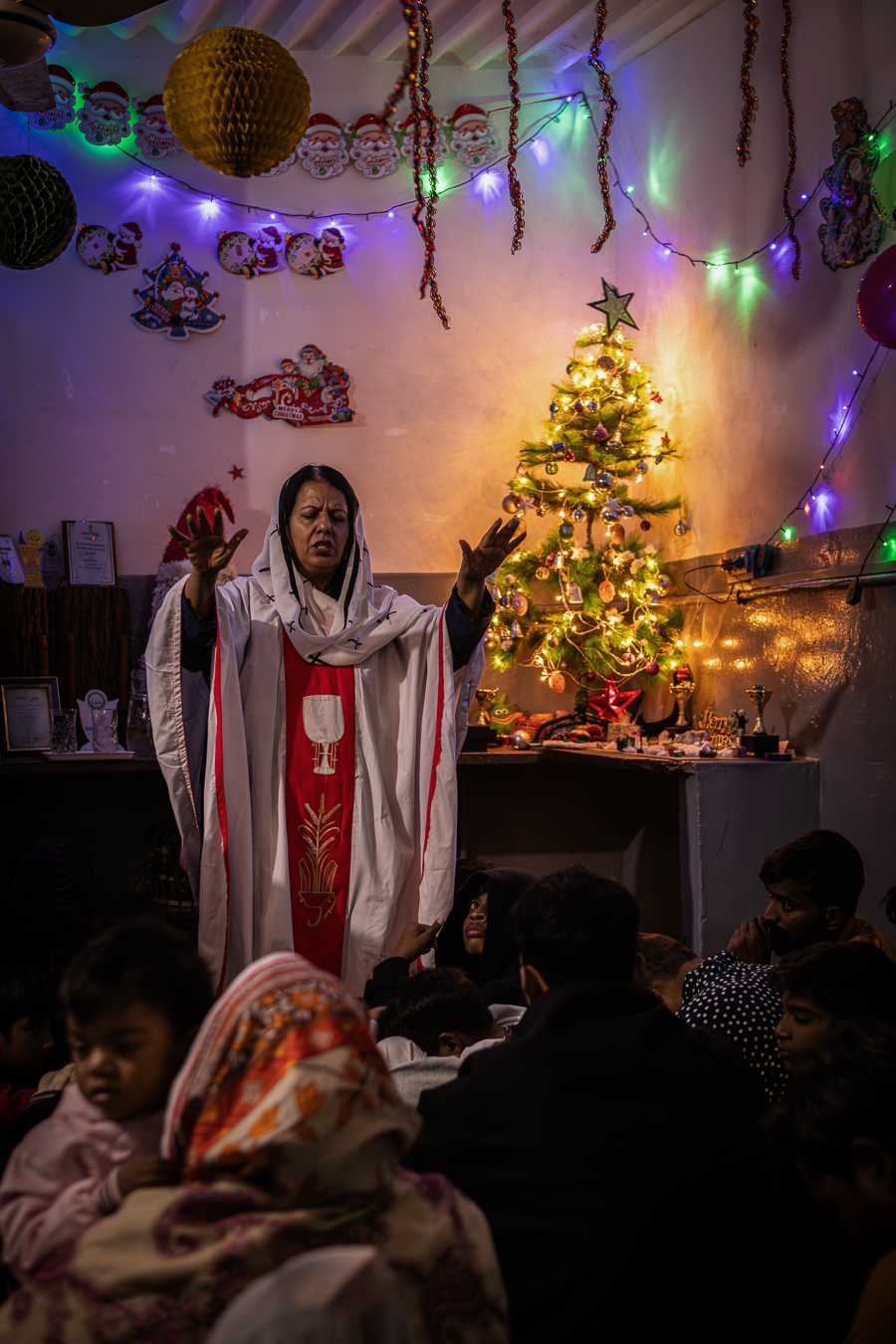
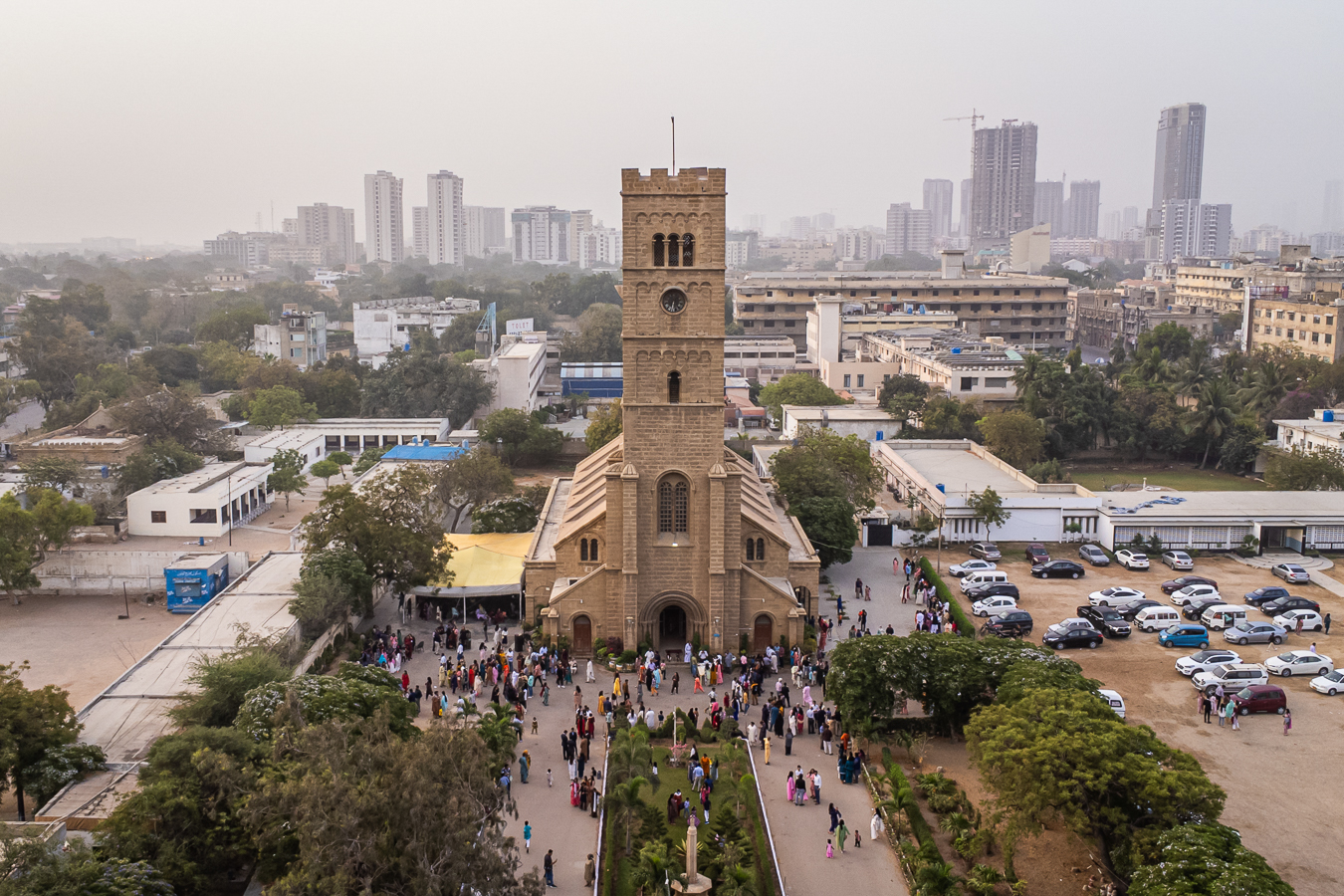
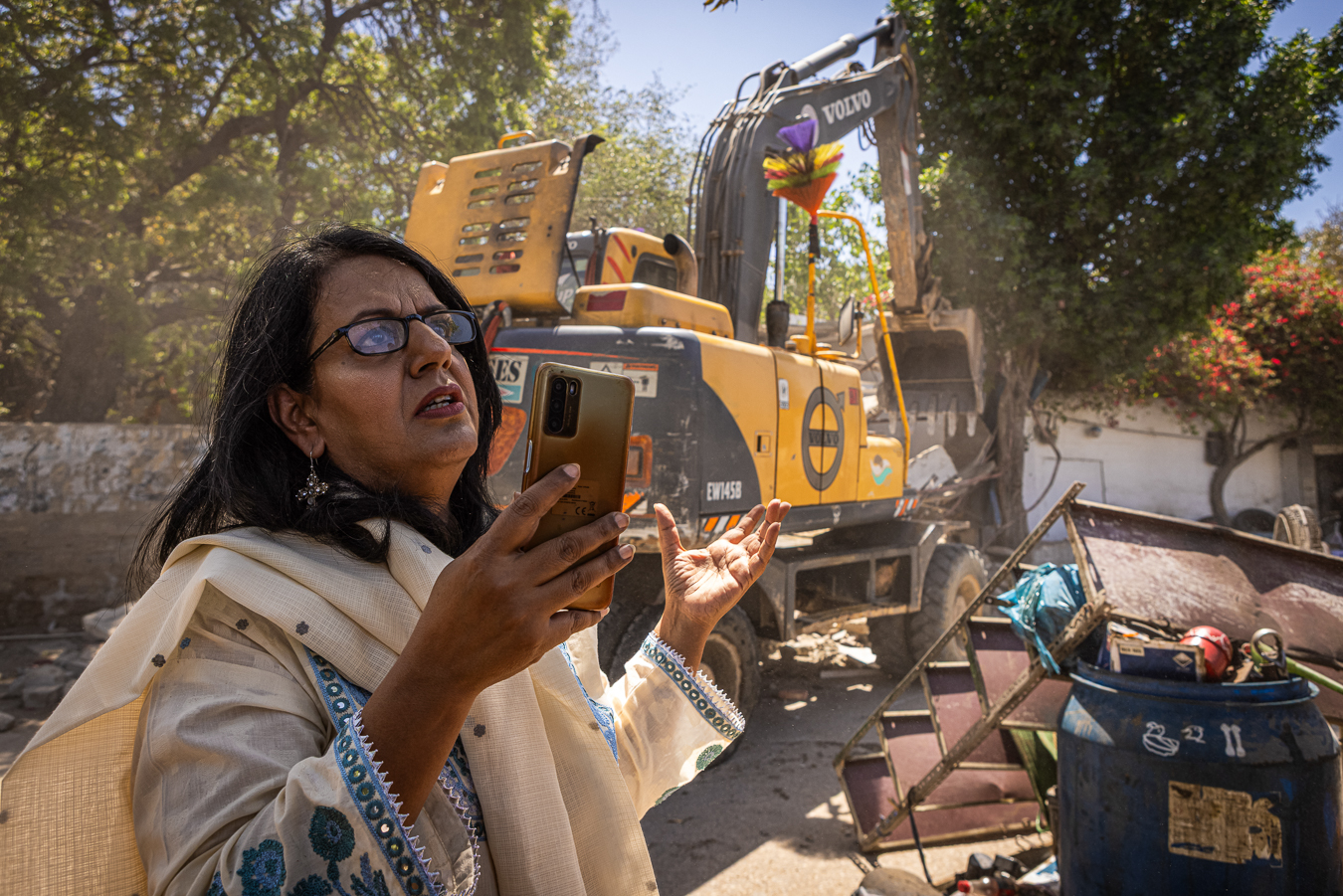
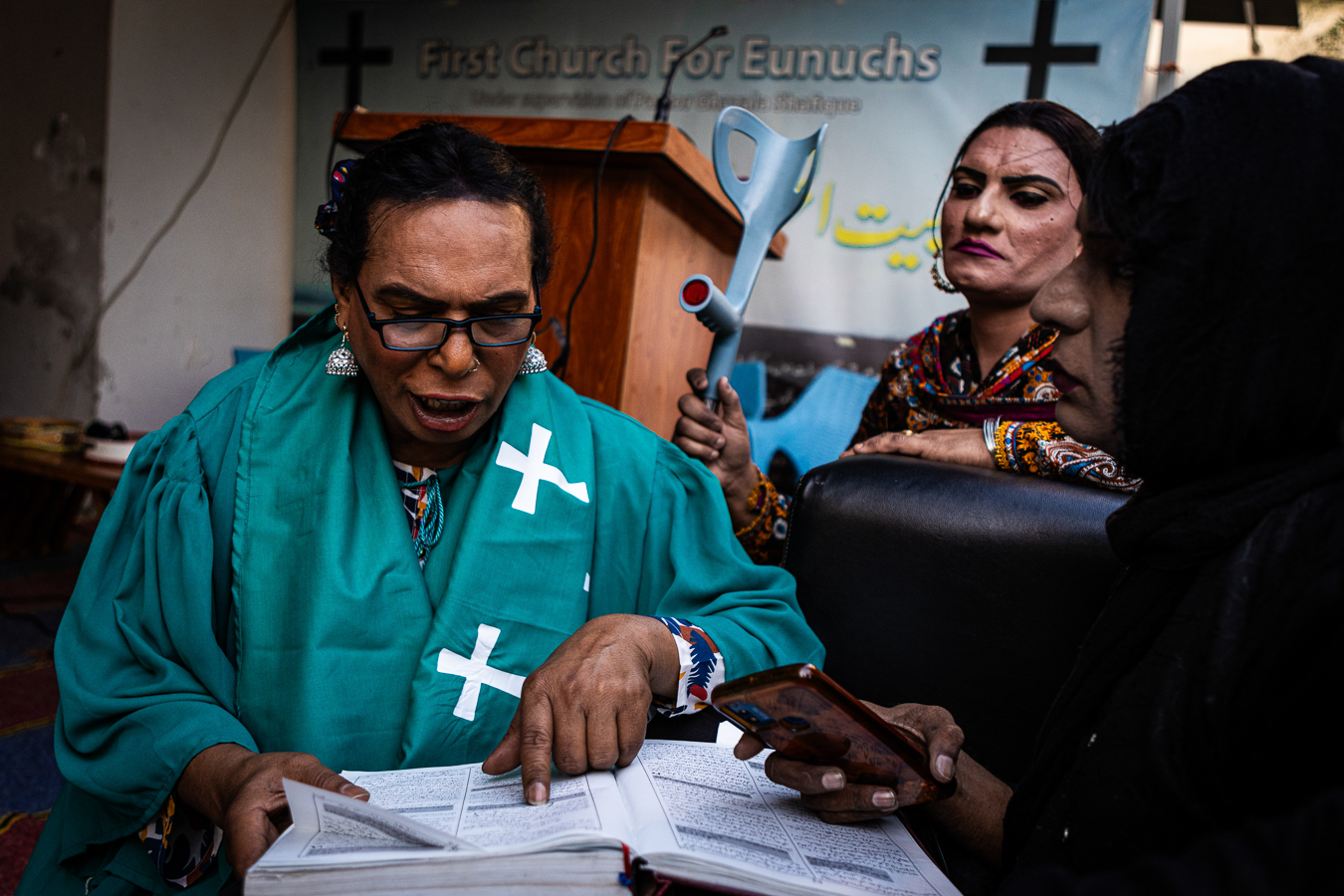
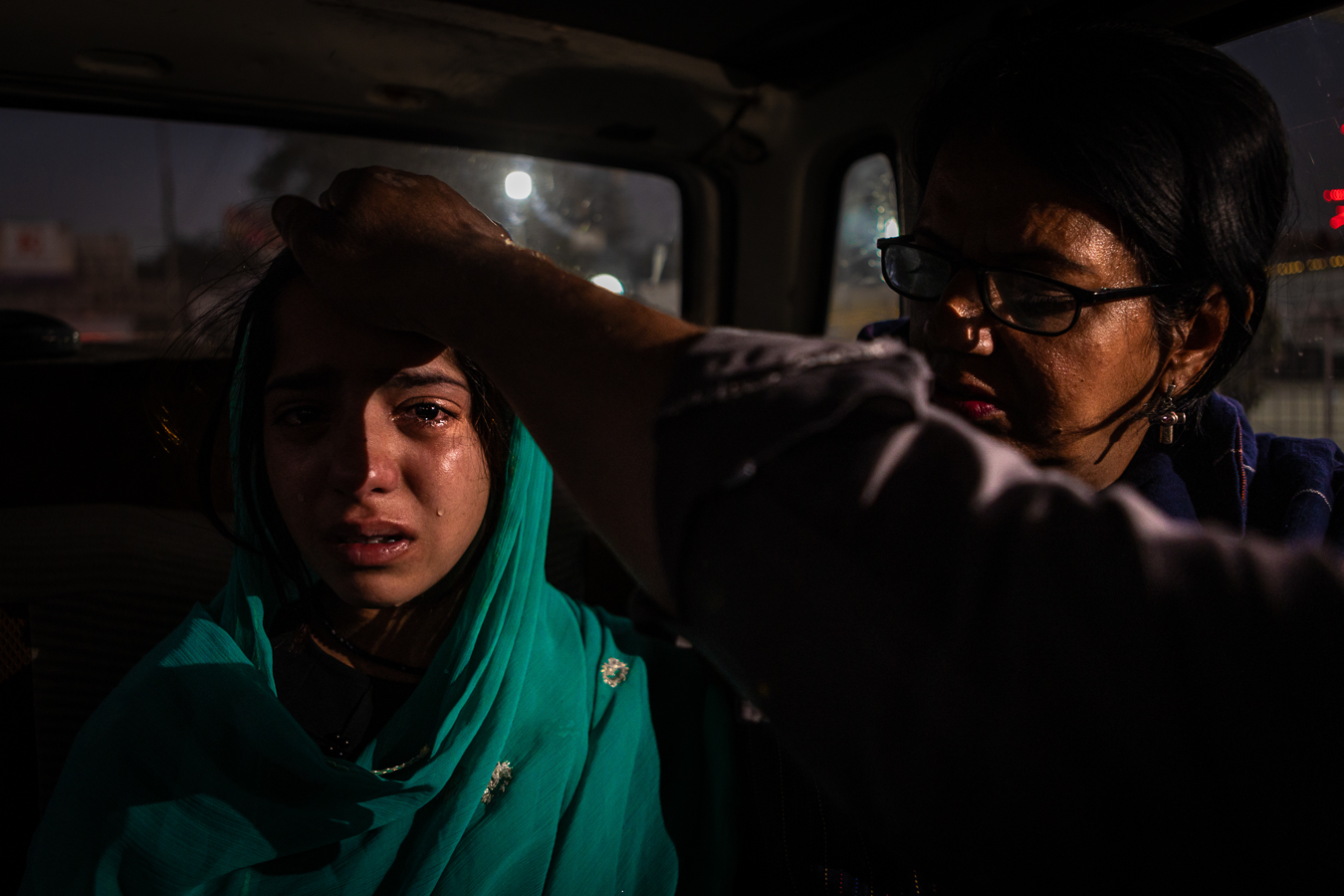
Ghazala Shafique is devout, fearless, and, above all, inconvenient for her enemies. The Protestant pastor calls for resistance at demonstrations for women and minorities, leads a church for transgender people, and frees girls forced into marriage. She pays a high price for her commitment. The pastor has been threatened and tortured multiple times. Despite everything, she, her family, and her supporters continue their fight.

This is a story about a struggle for human, minority, and women's rights, showing how particularly vulnerable groups in Pakistan organize themselves and cope with trauma and threats.

The Roads Are Ours
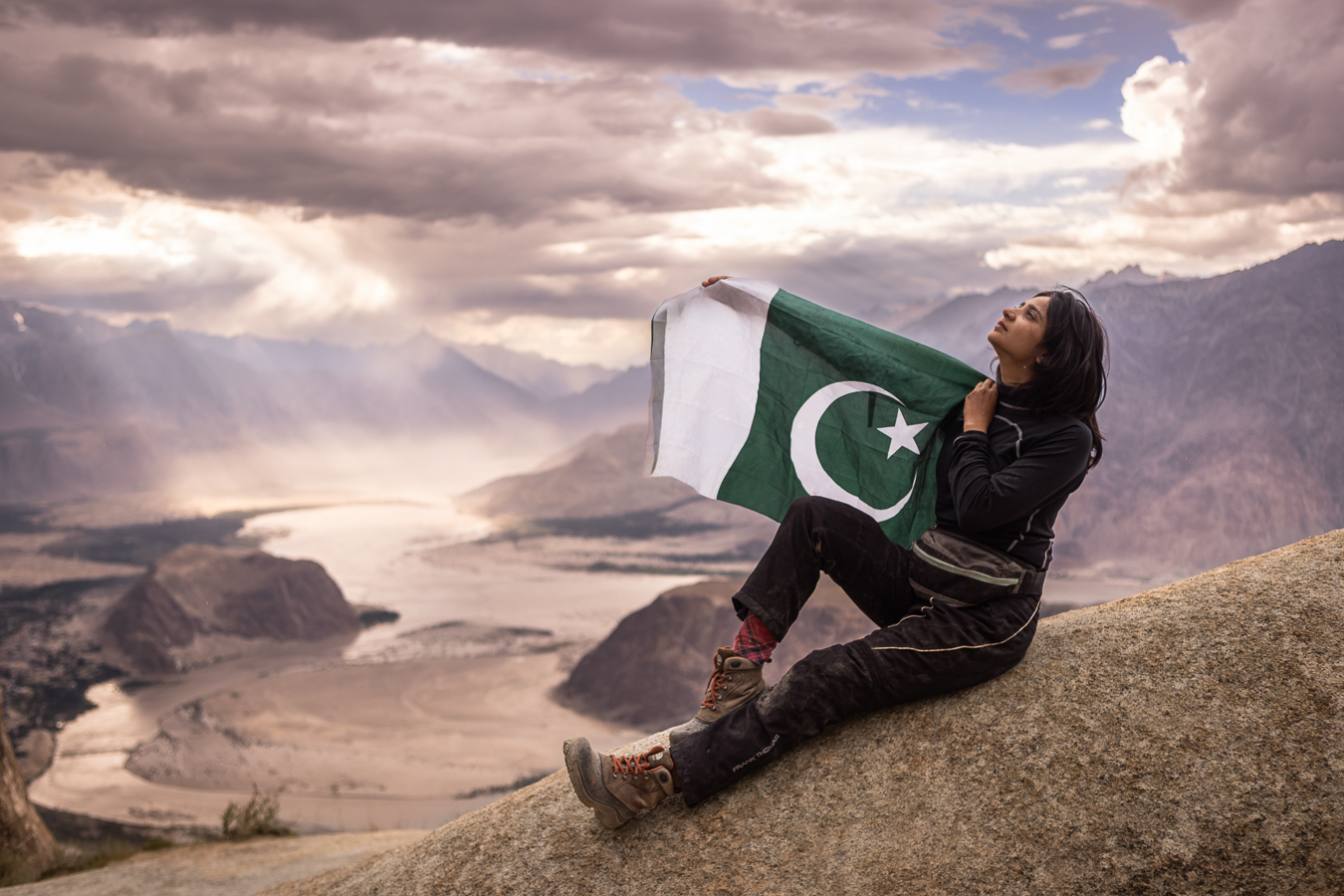
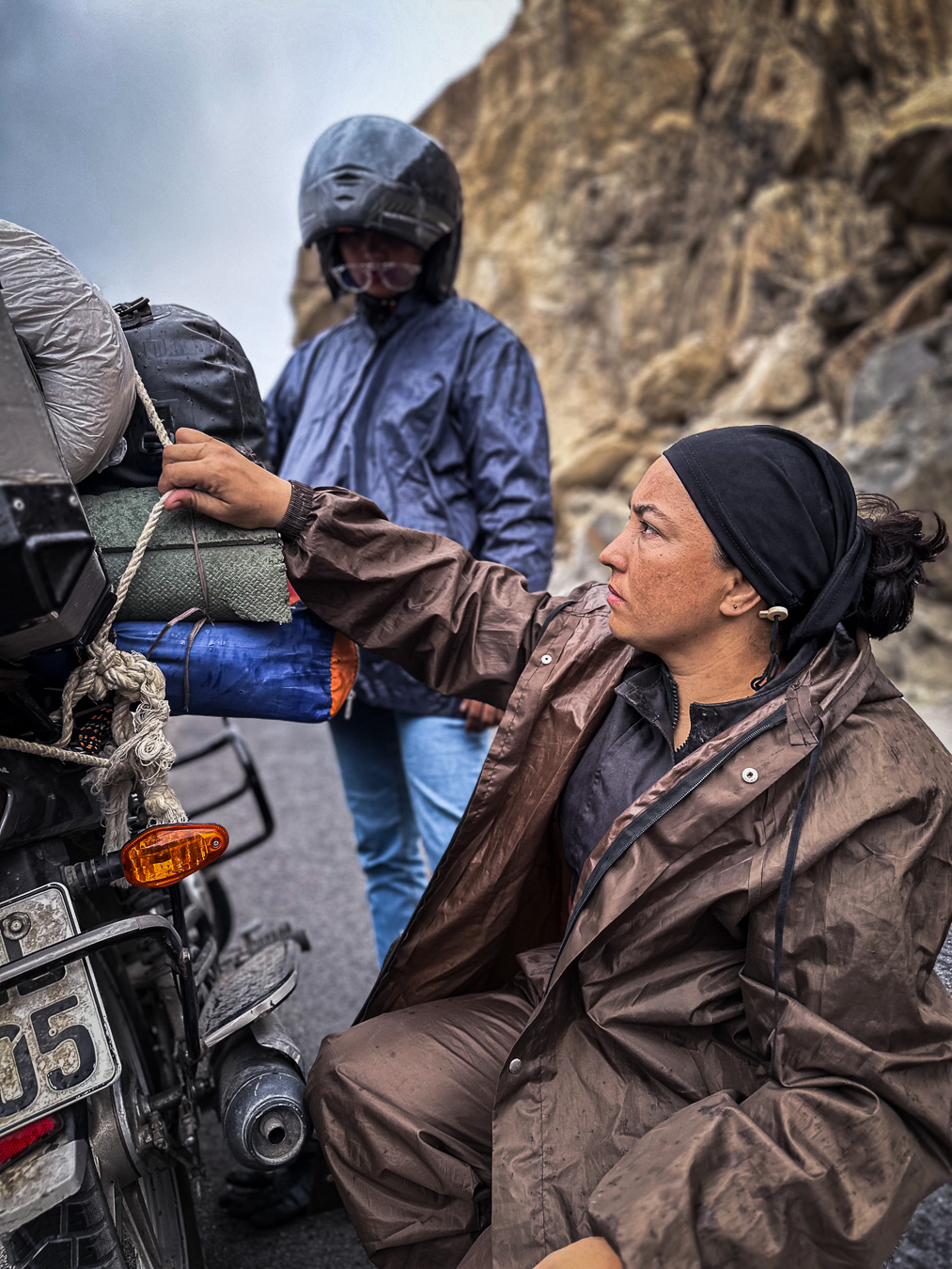
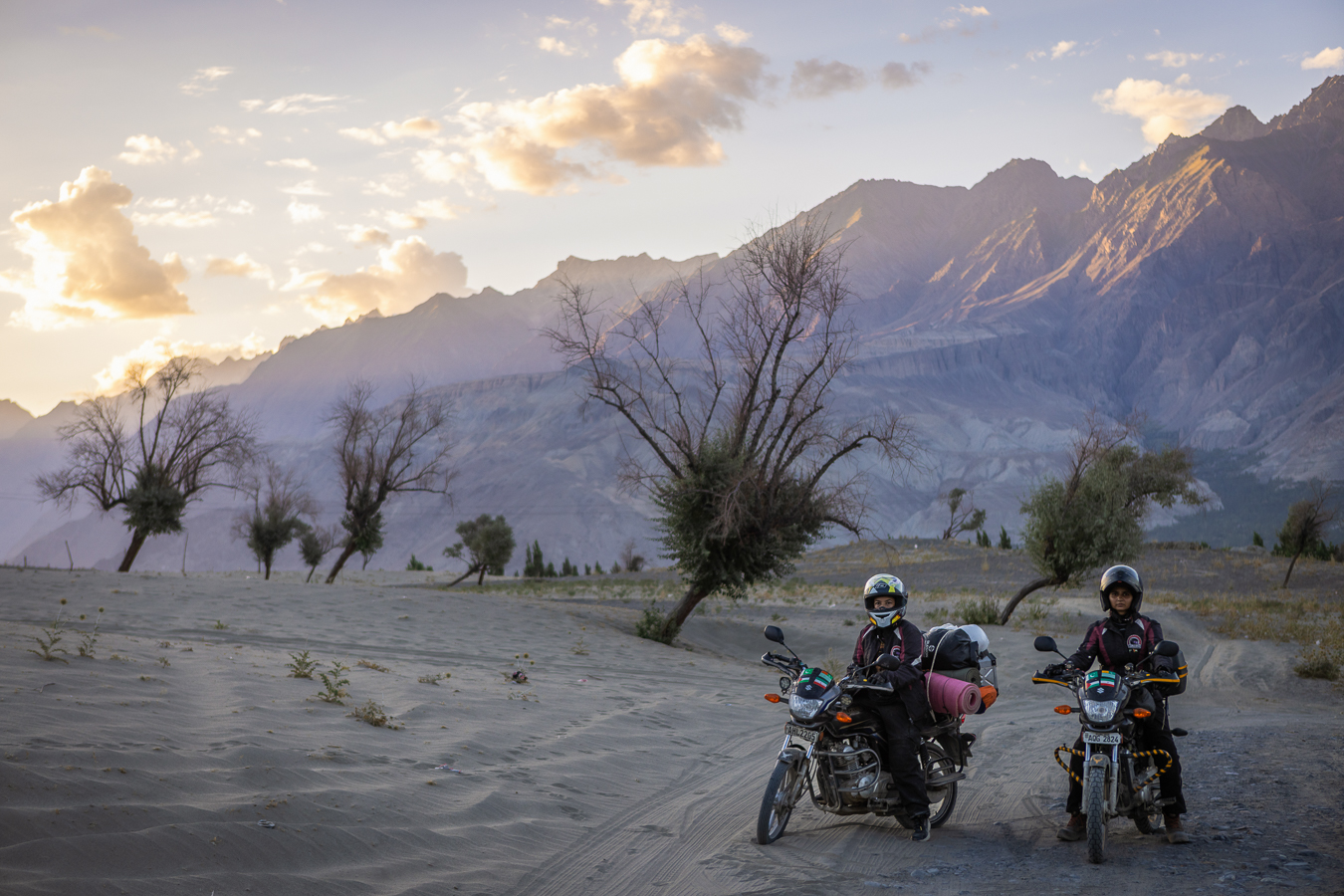
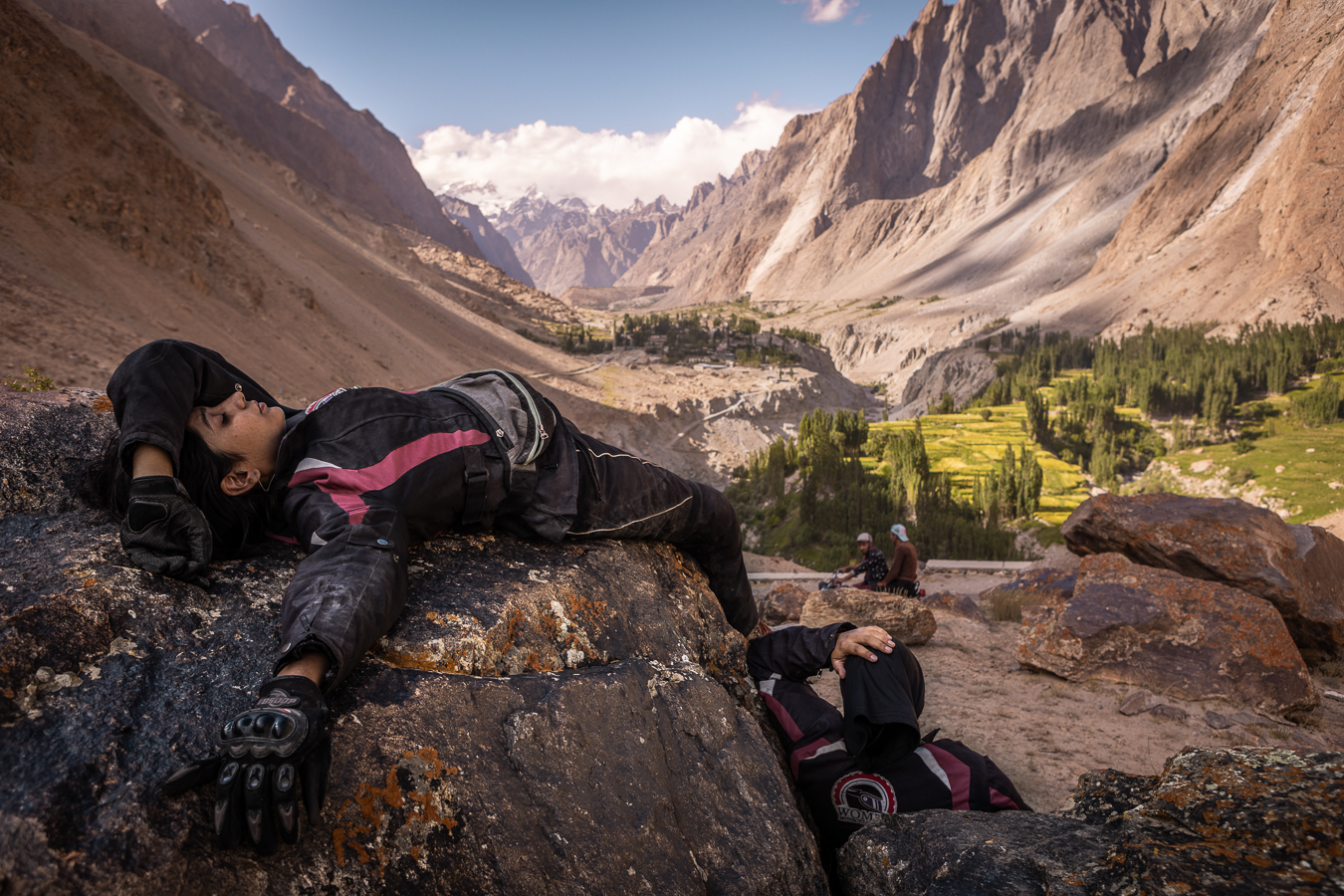
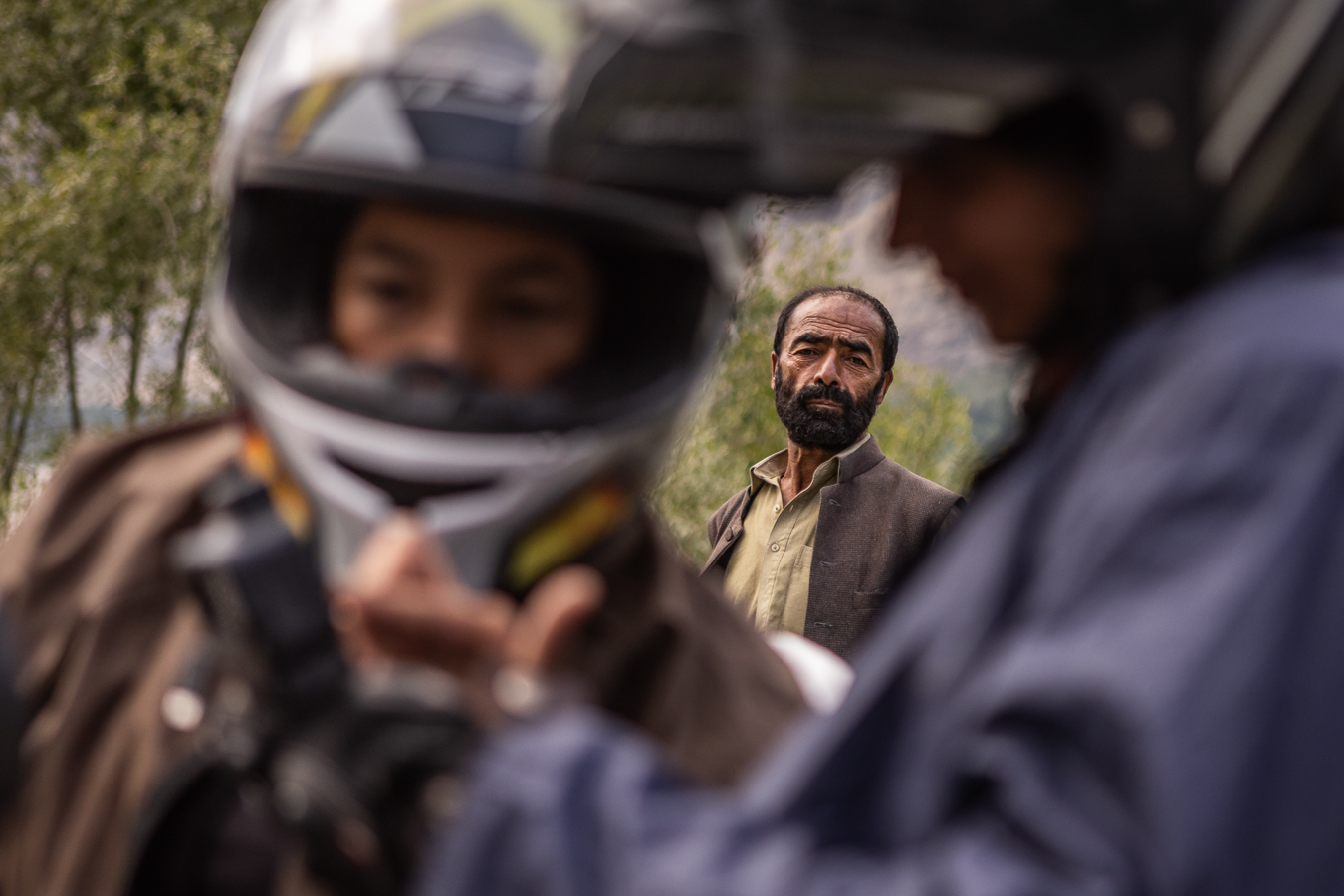
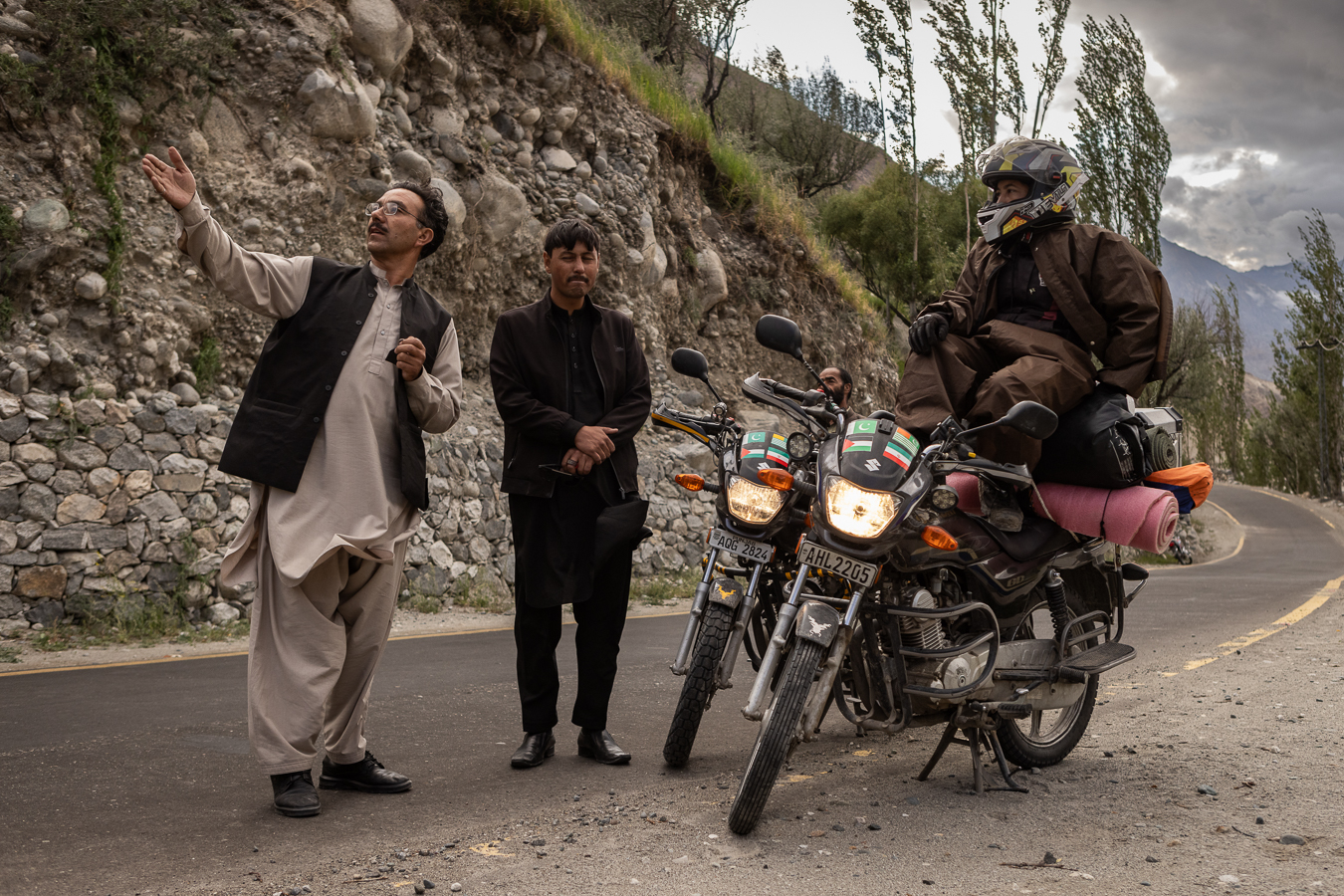
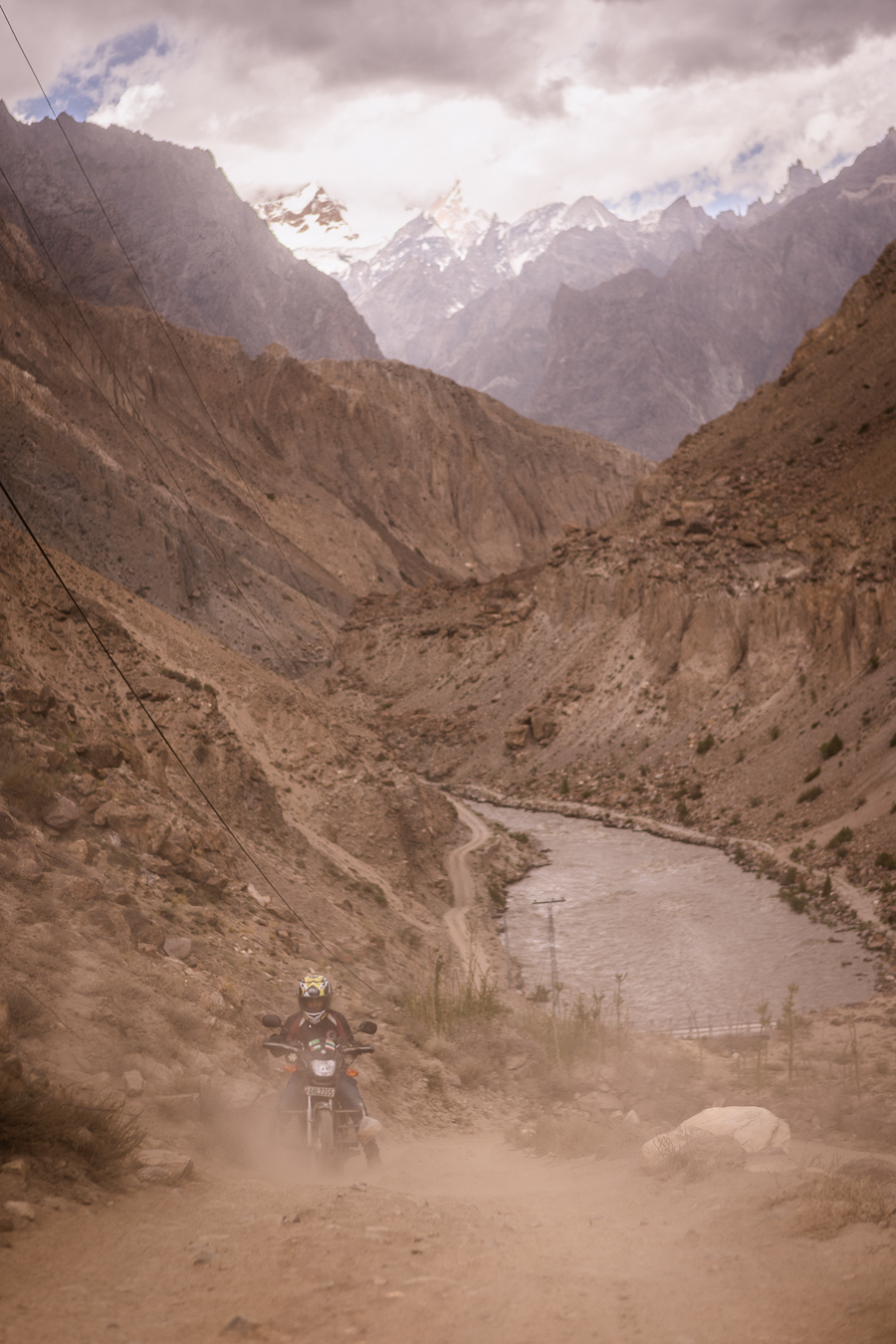
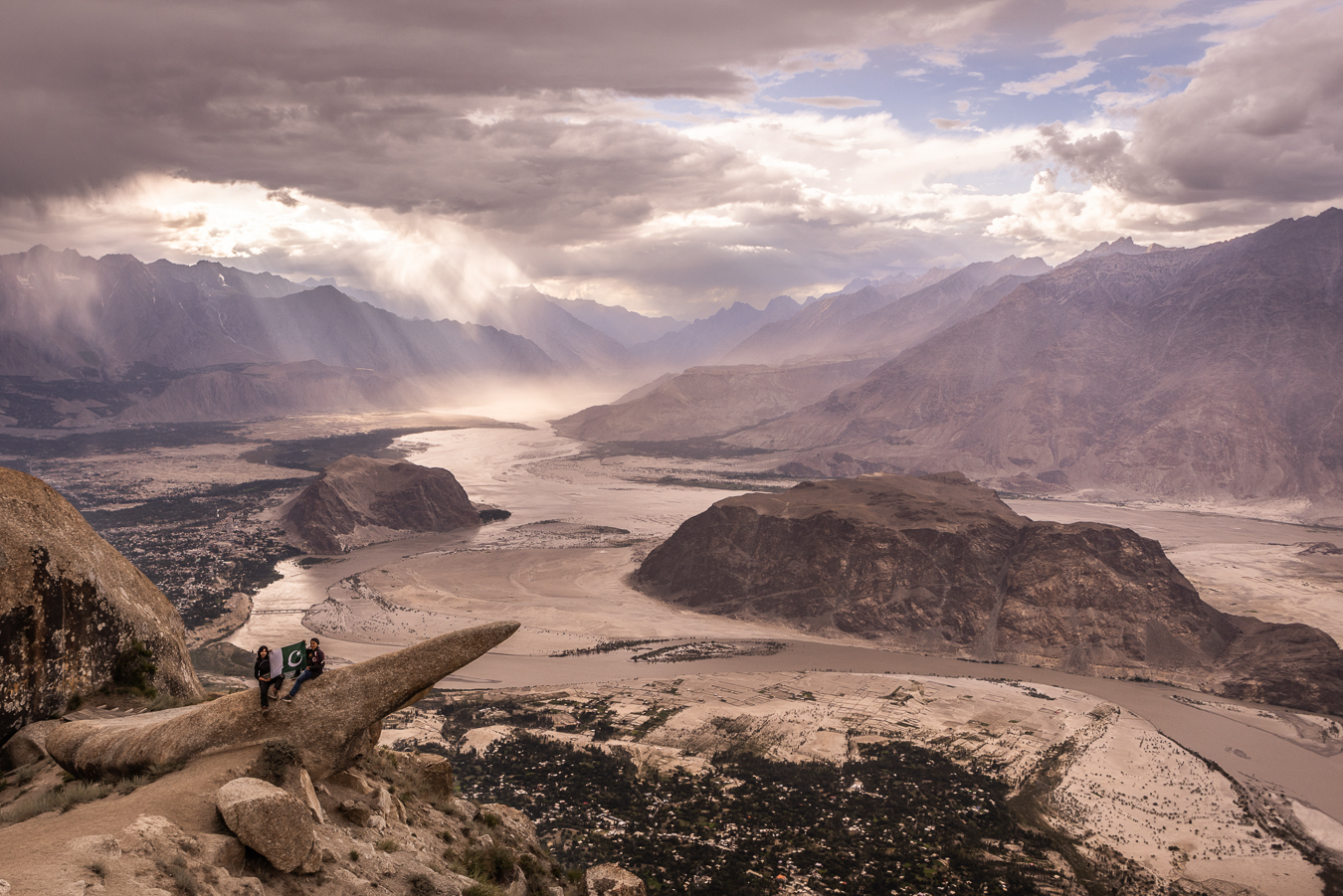
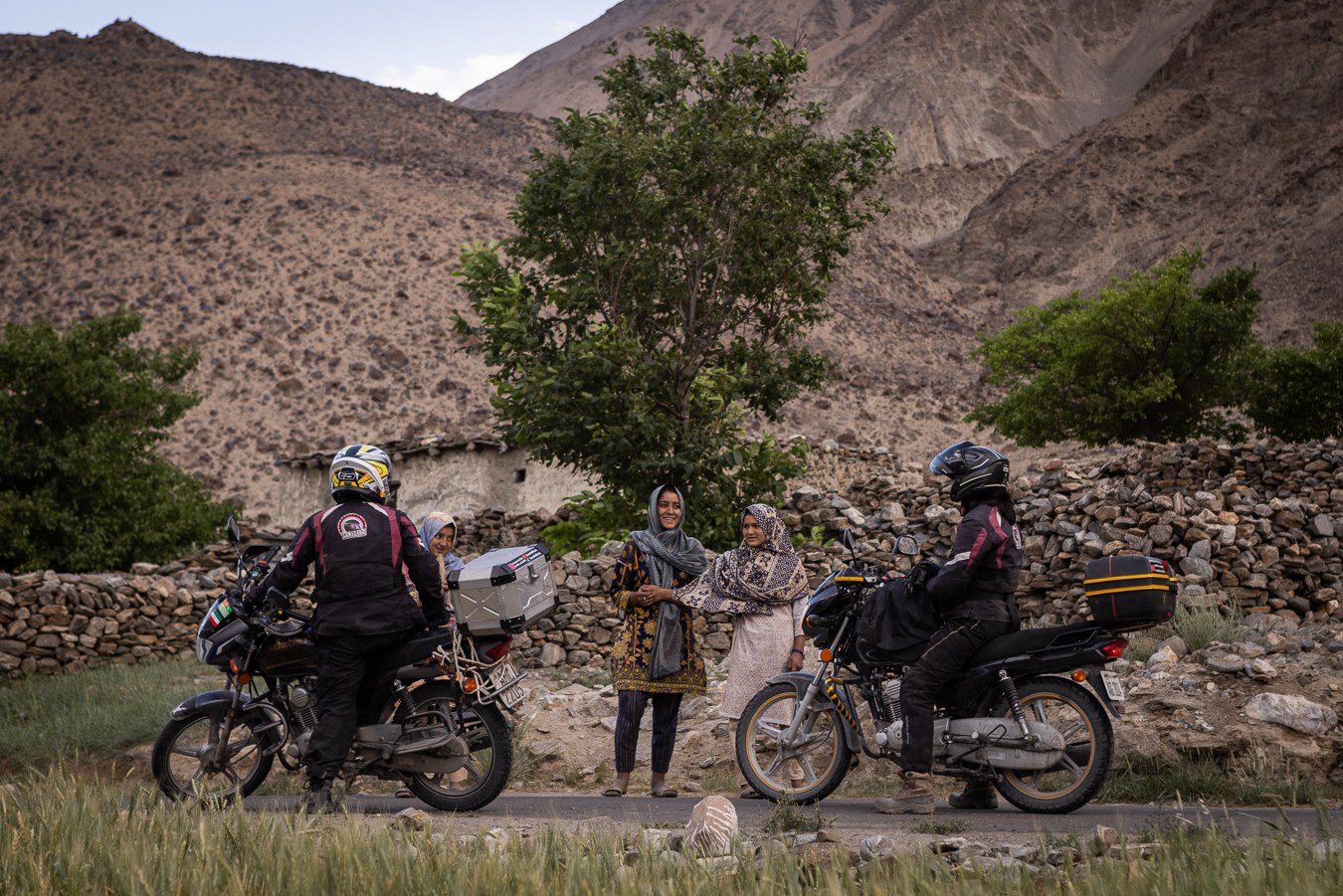
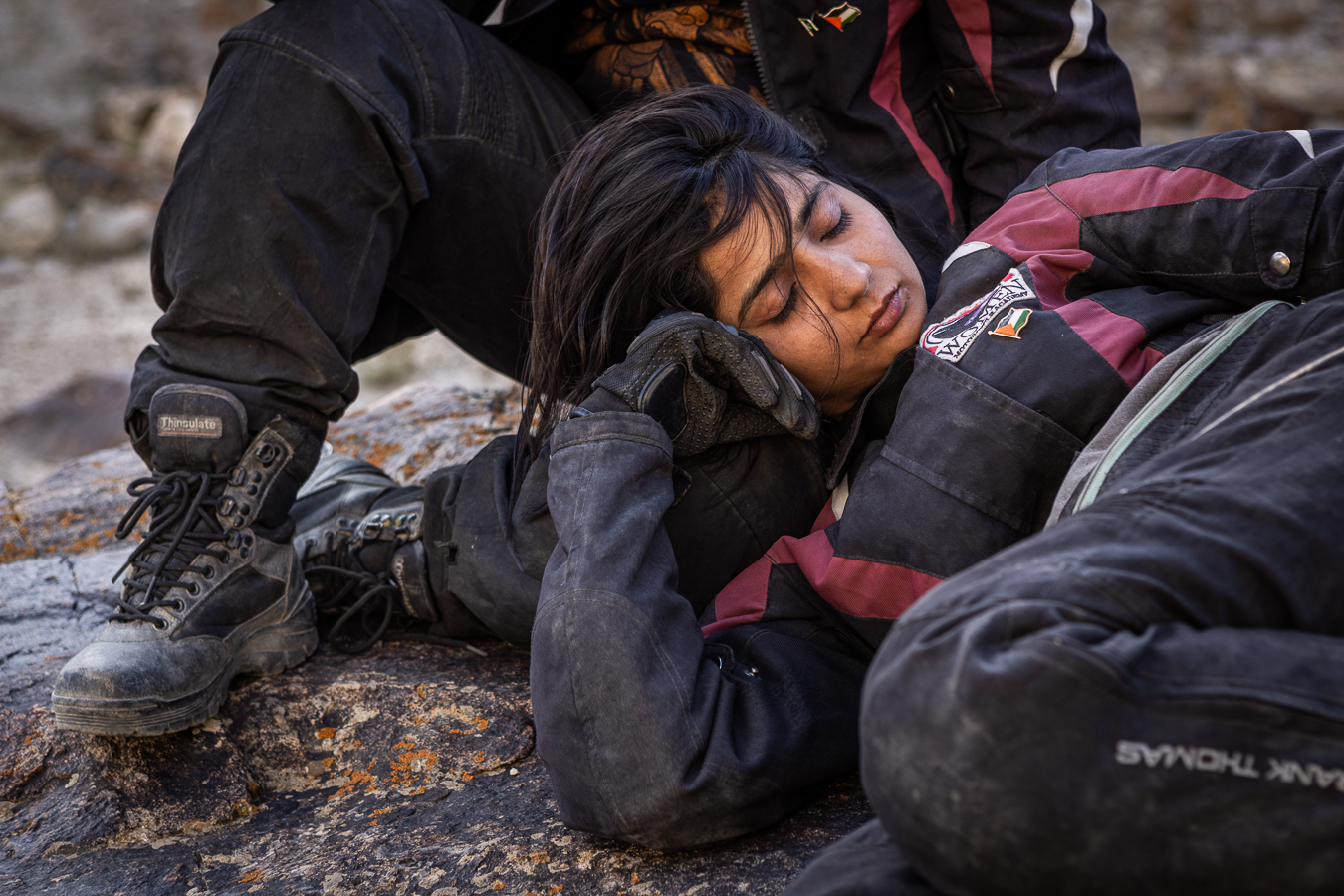
Pakistan is considered a dangerous country for women, and in many places women are hardly visible in public. Ruby (24) and Madiha (27) are not intimidated by this. They travel the north of the country on their own on their motorcycles.

On their journey they counter men with serenity, not fear, and experience the road adventure of their lives. They receive encouragement from men and women who would not have thought that two Pakistani female bikers without a male companion could exist.

However, as a traveling biker, Ruby doesn't want to be the exception, but the rule. In her hometown of Lahore, she gives lessons to young women as part of the Women Motorcycle Academy and encourages women to conquer the streets.

Against the Flow
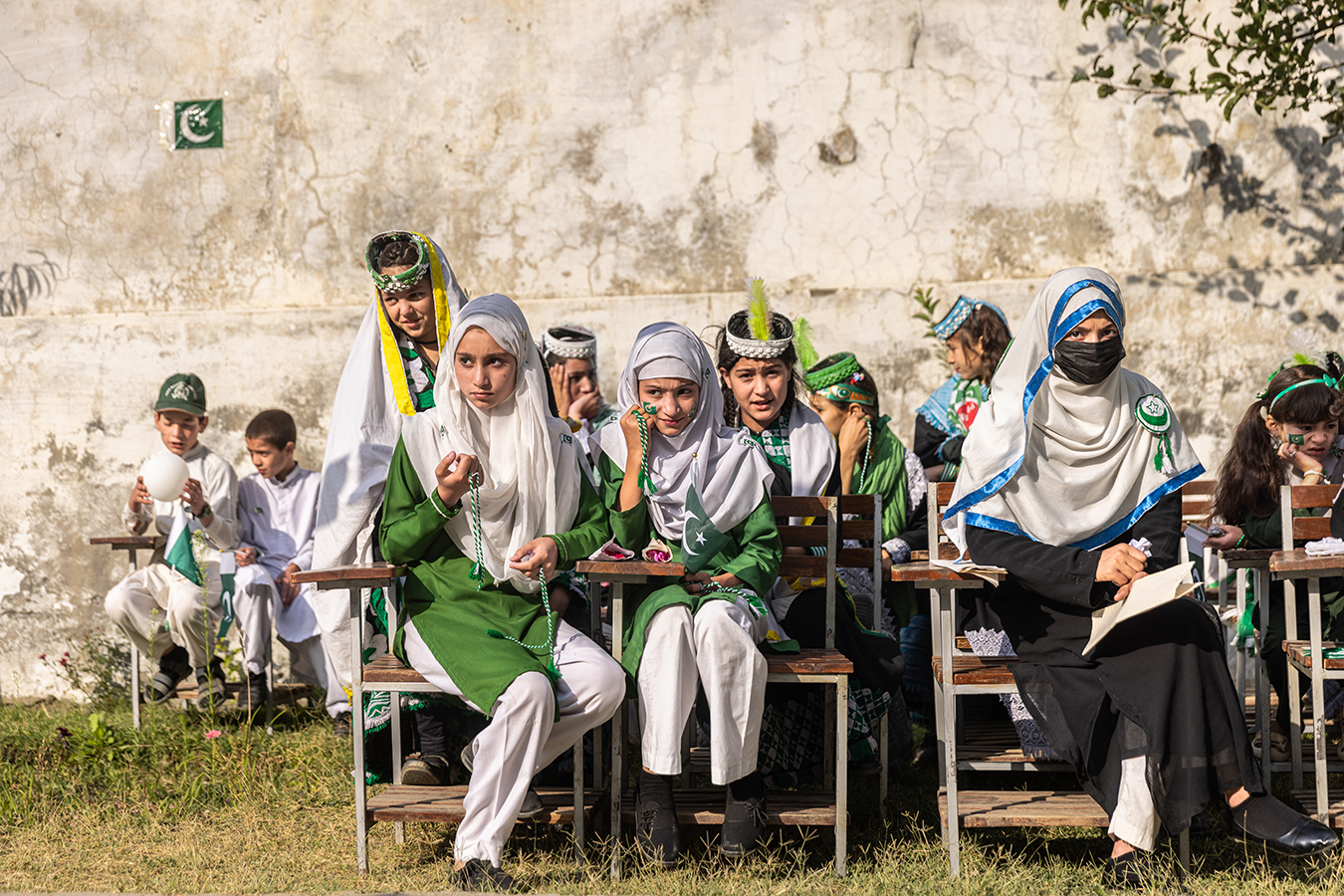
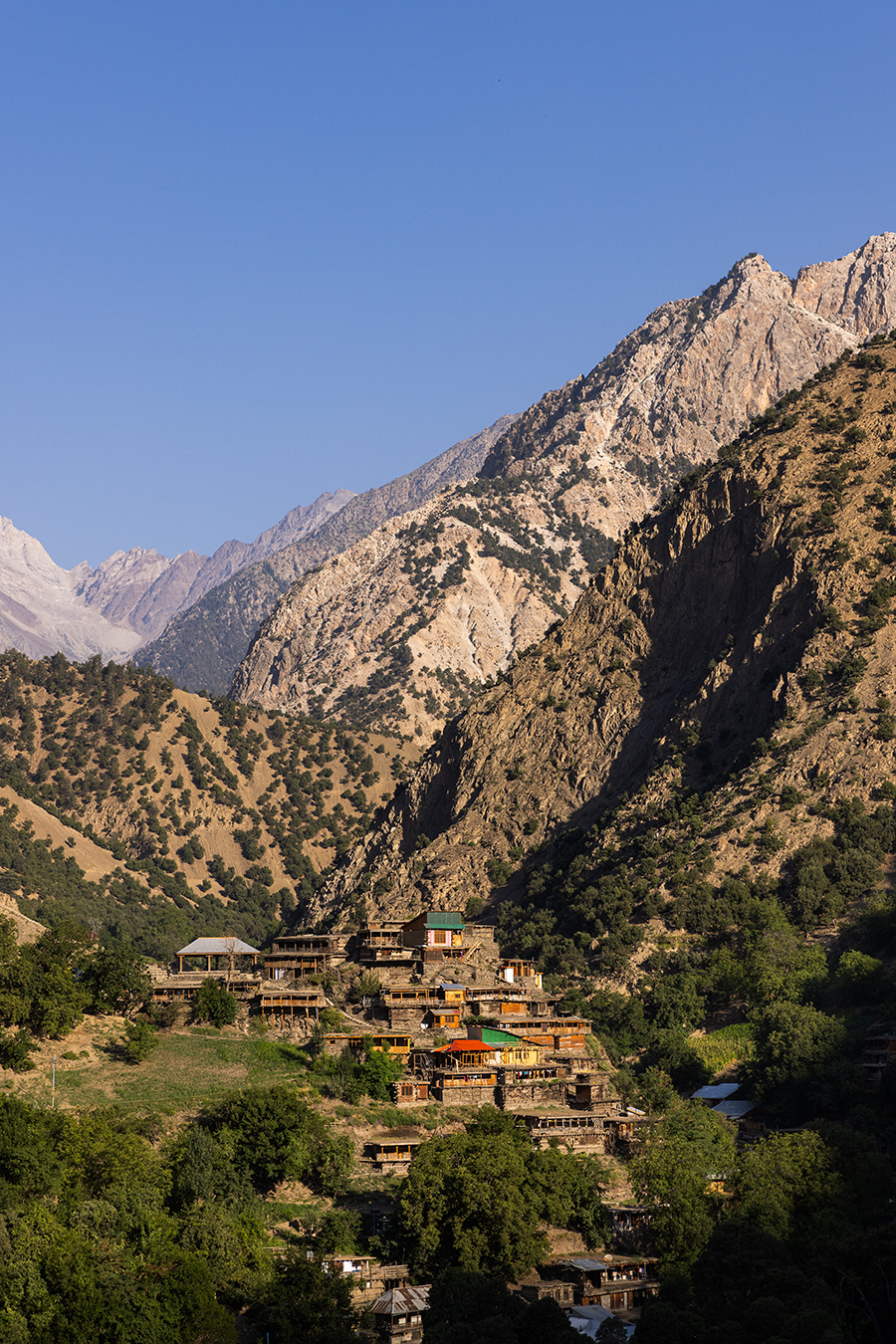
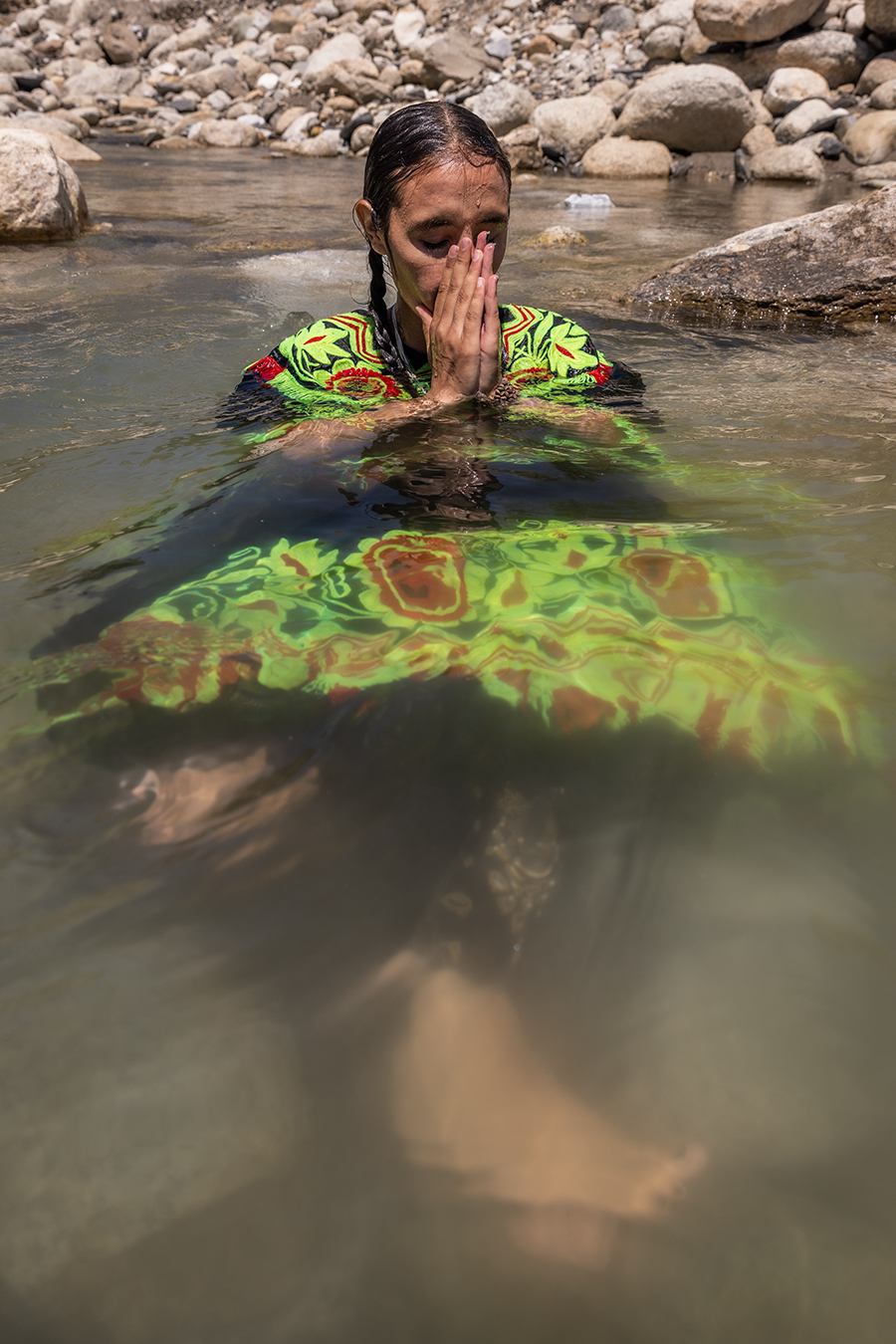
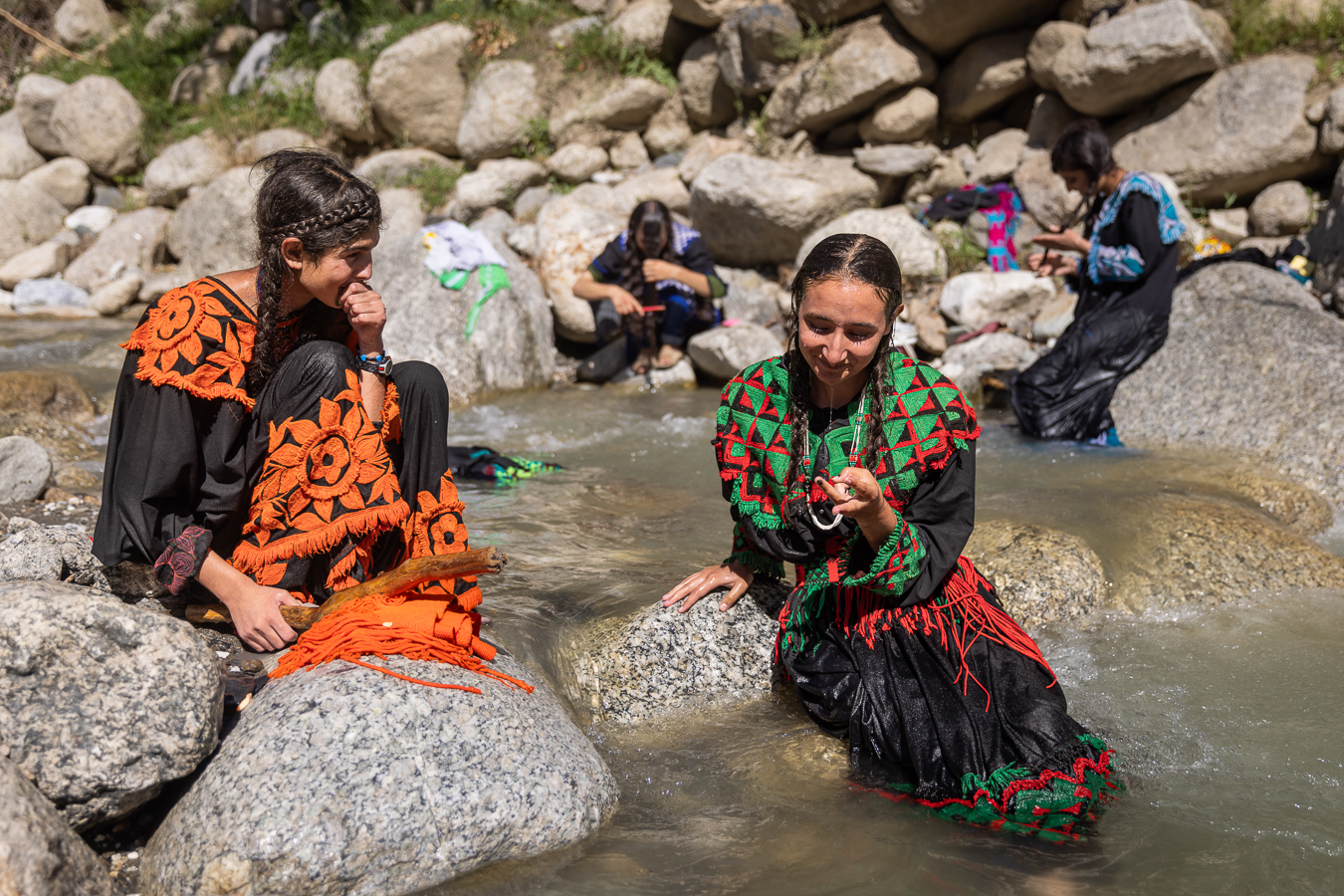
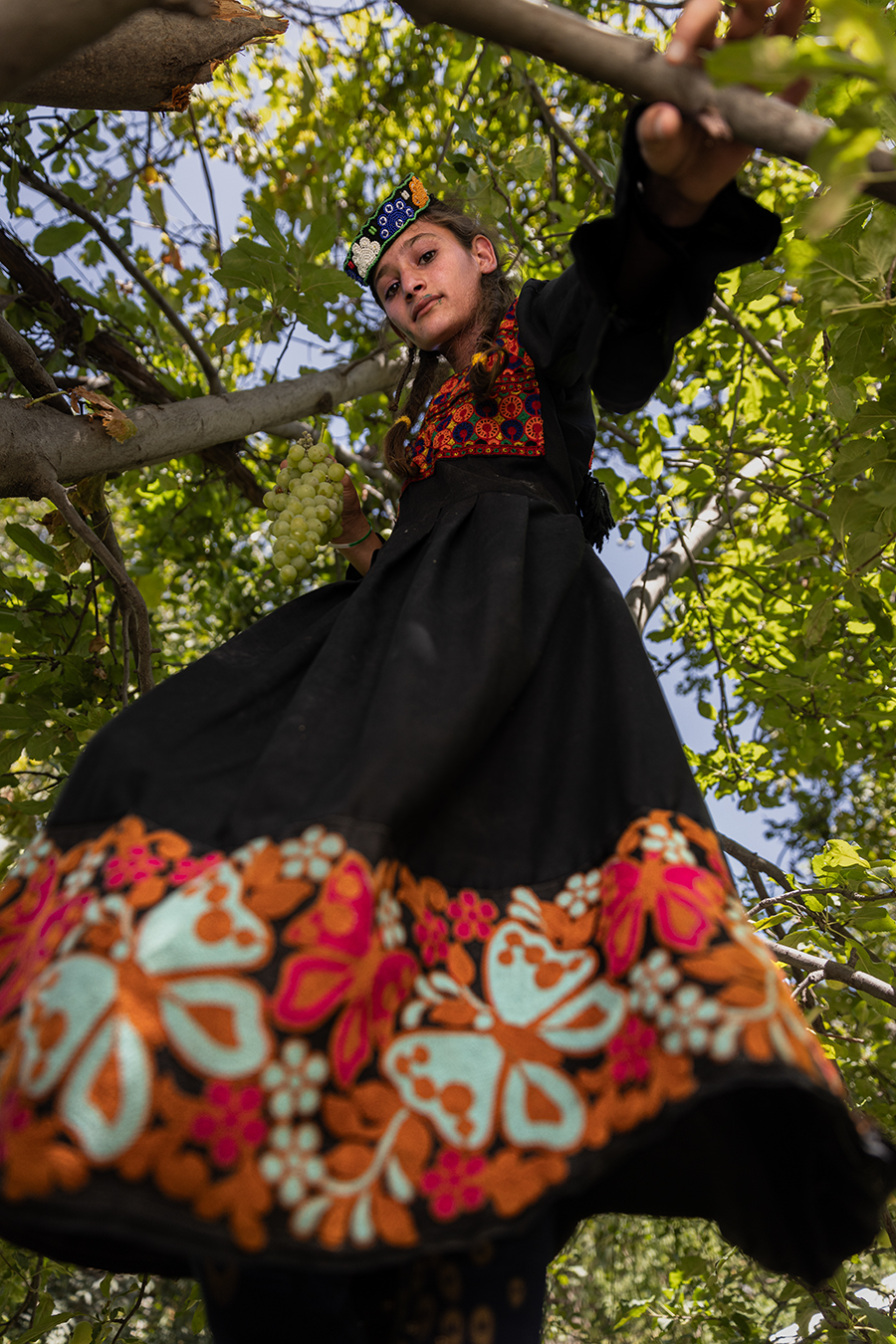
The women of the Kalash minority in Pakistan's Hindu Kush have many rights. But ongoing conversions to Islam threaten the Indo-European religious community.

18-year-old Kalash named Raisma fight against this development and wants to raise awareness of her religious and cultural roots among Kalash. At the same time, the student wants to free her millennia-old culture from patriarchal patterns.

The report accompanies the young Kalash woman in her possibilities and obstacles to living political participation and achieving improvement for one's own community through education.

Life in Remoteness
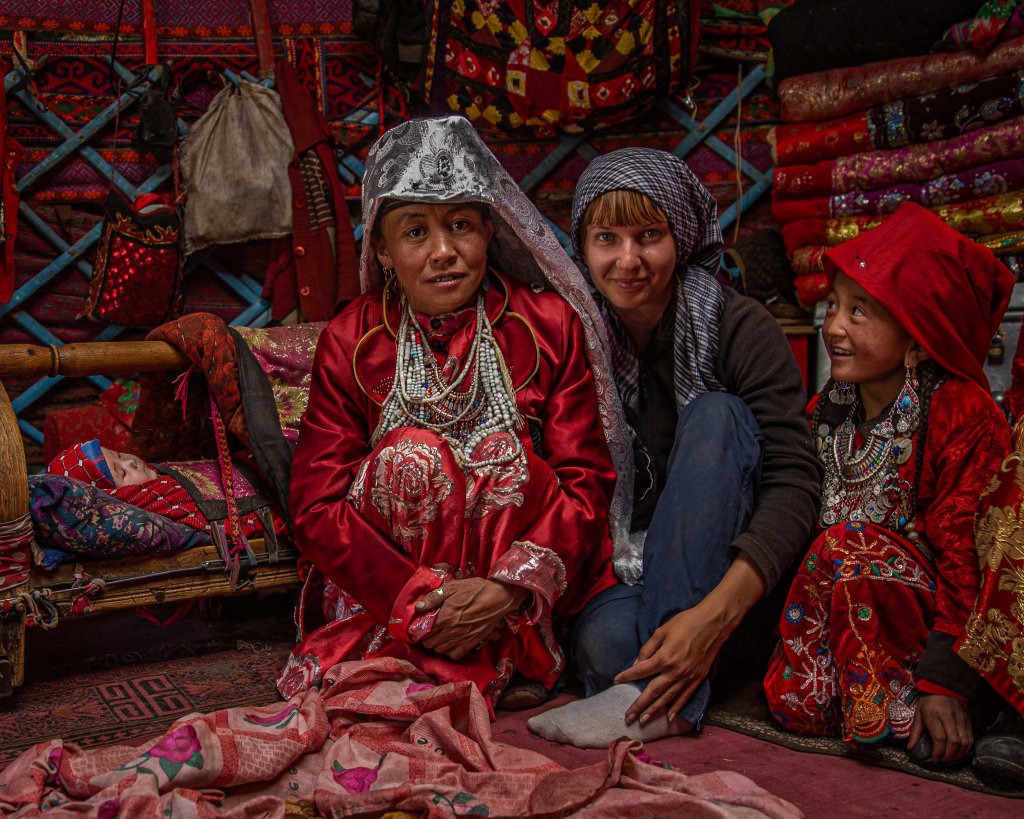
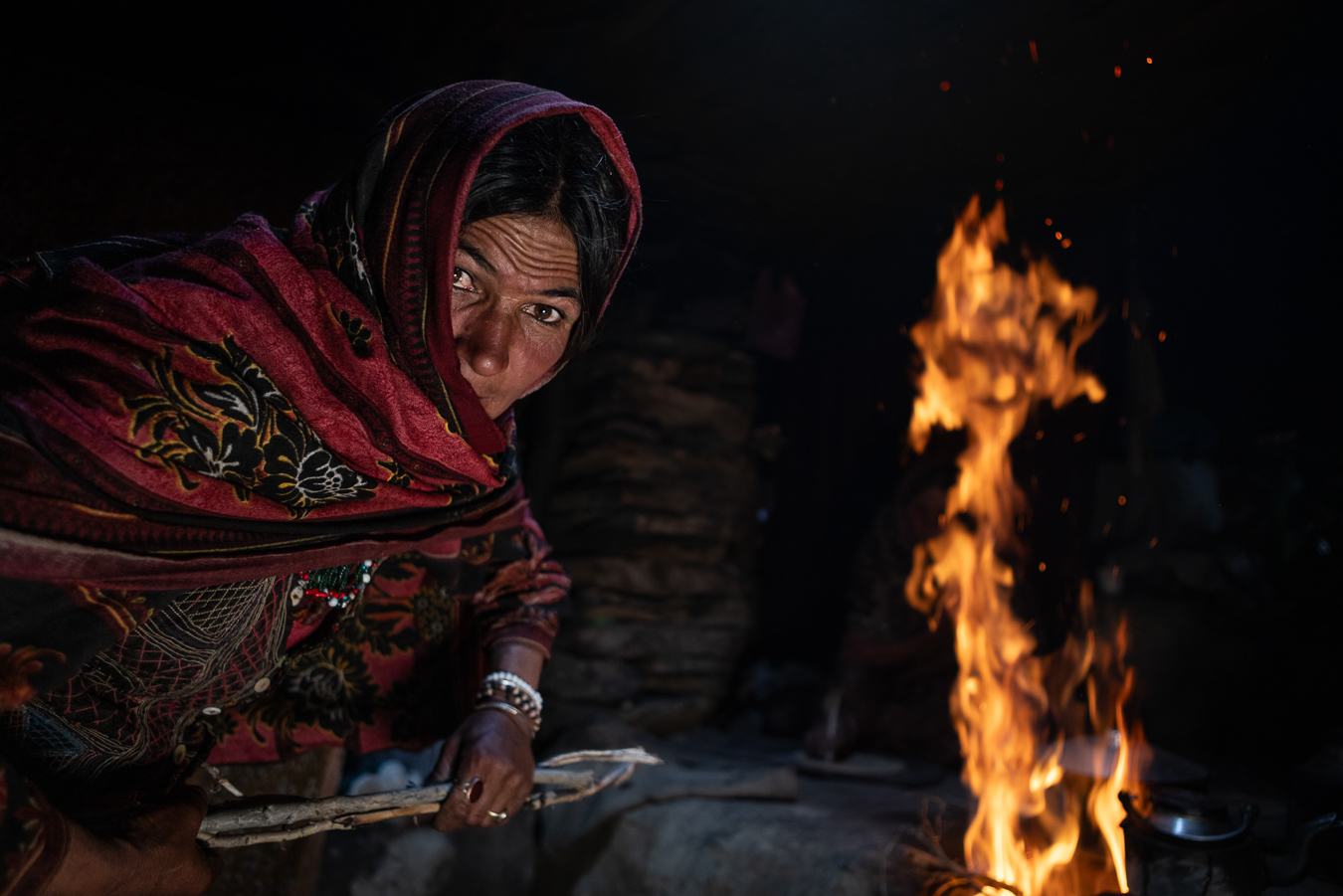
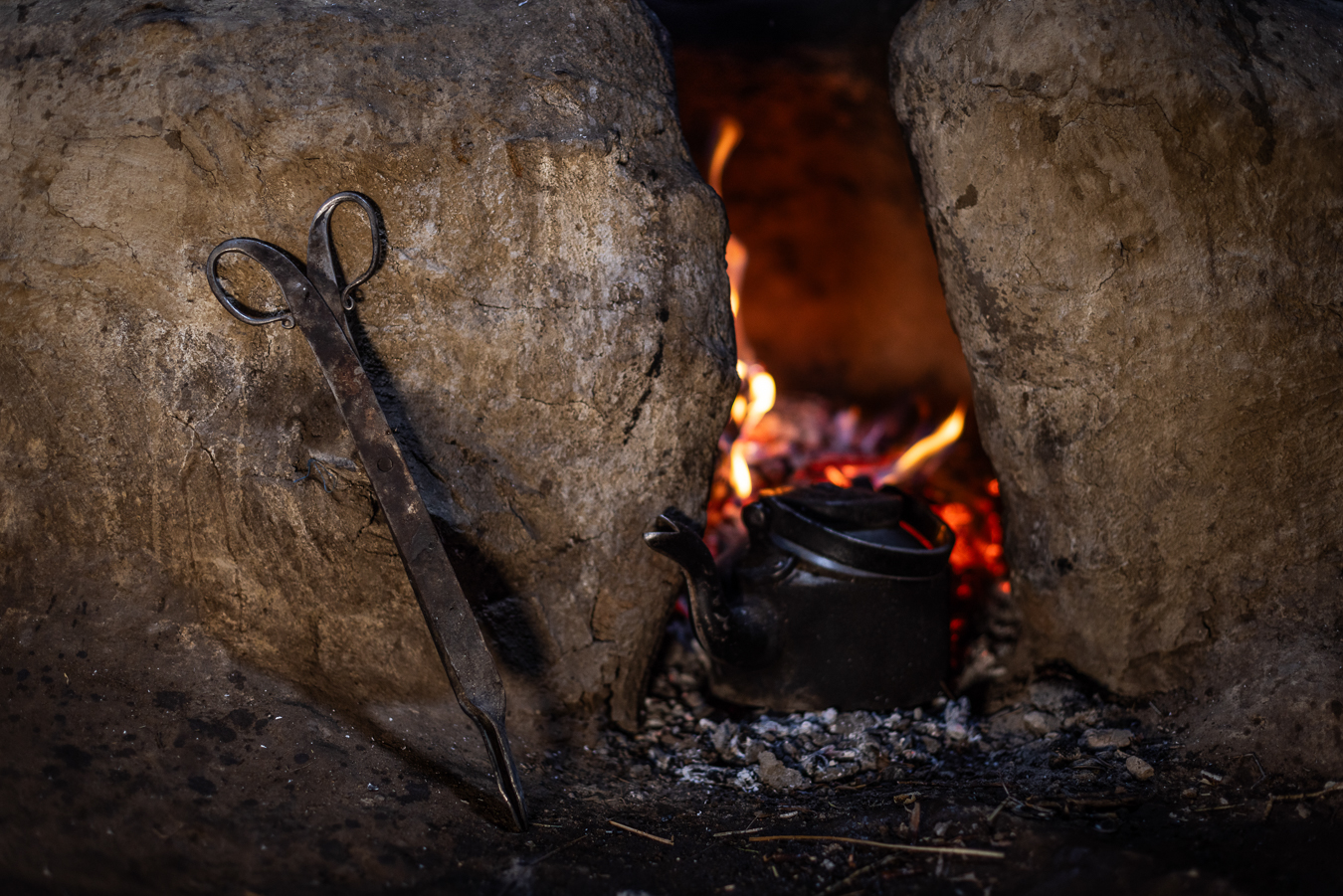
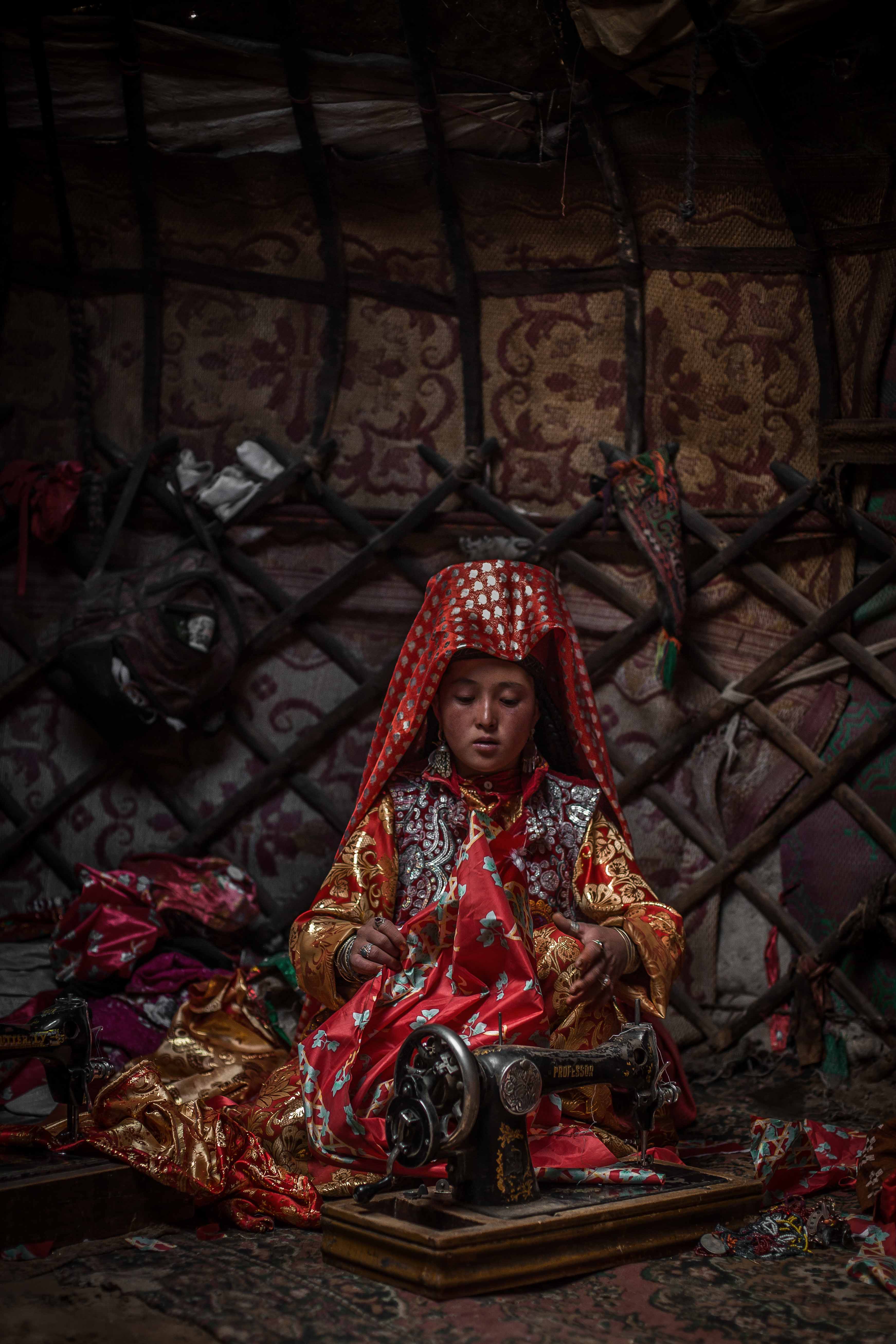
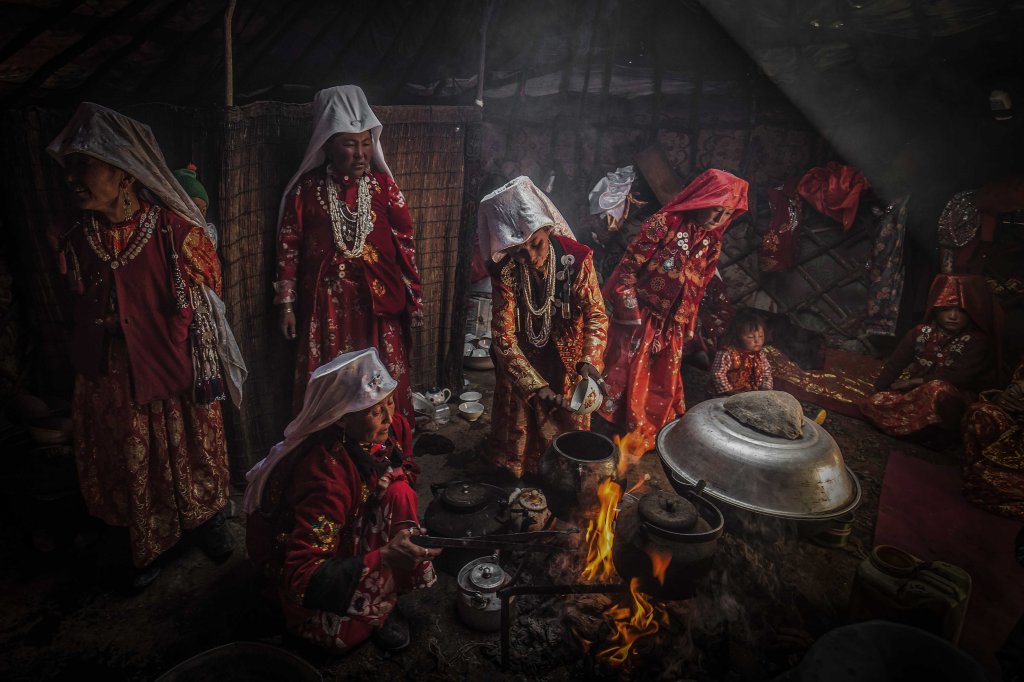
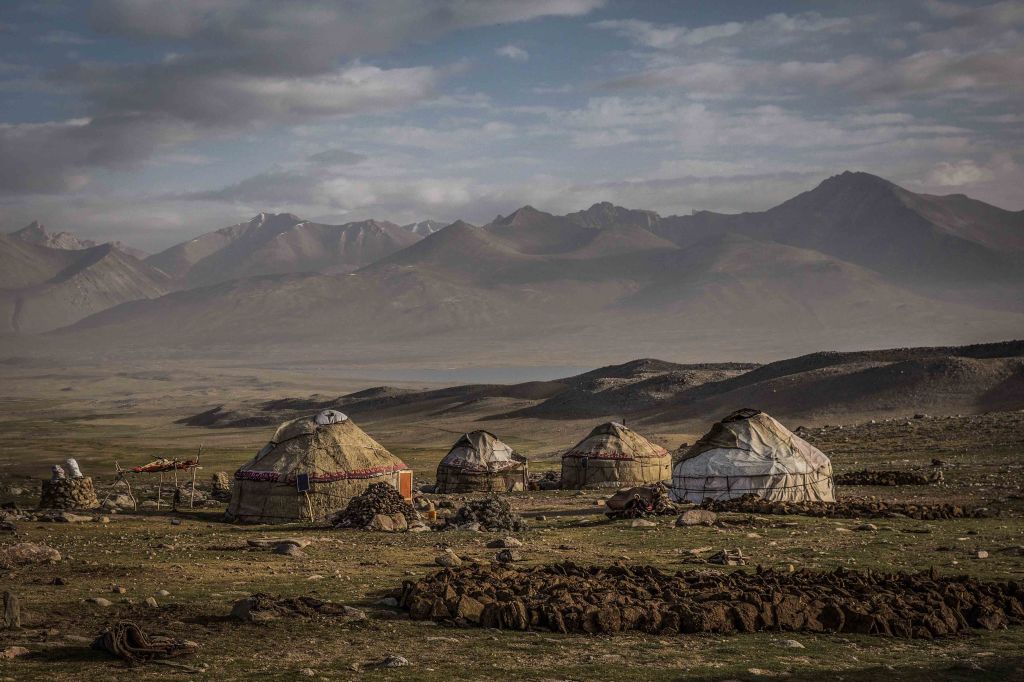
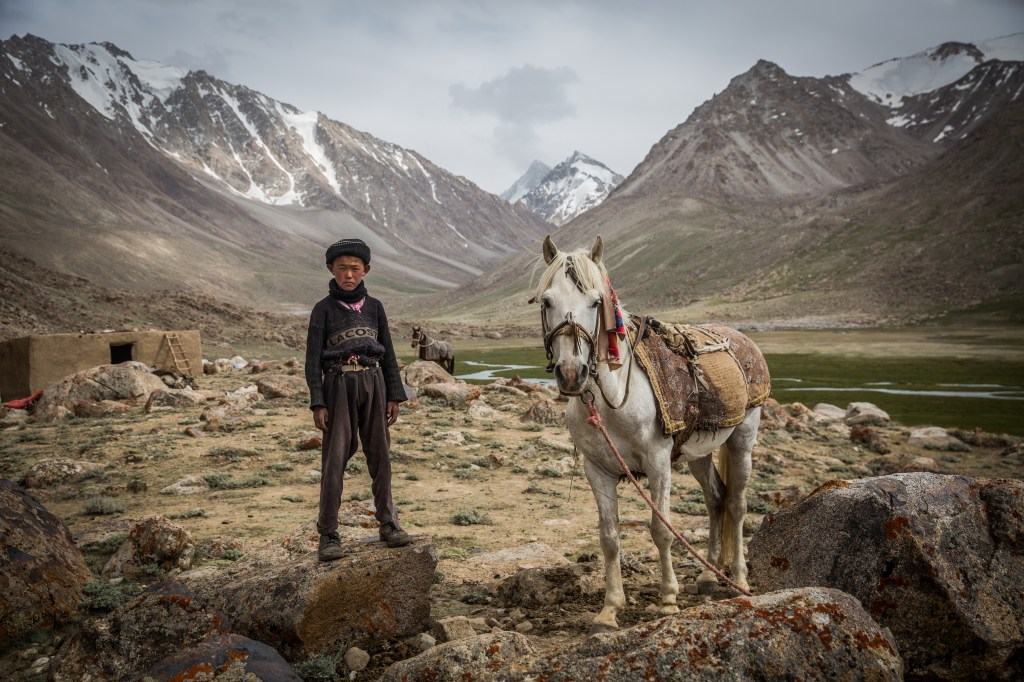
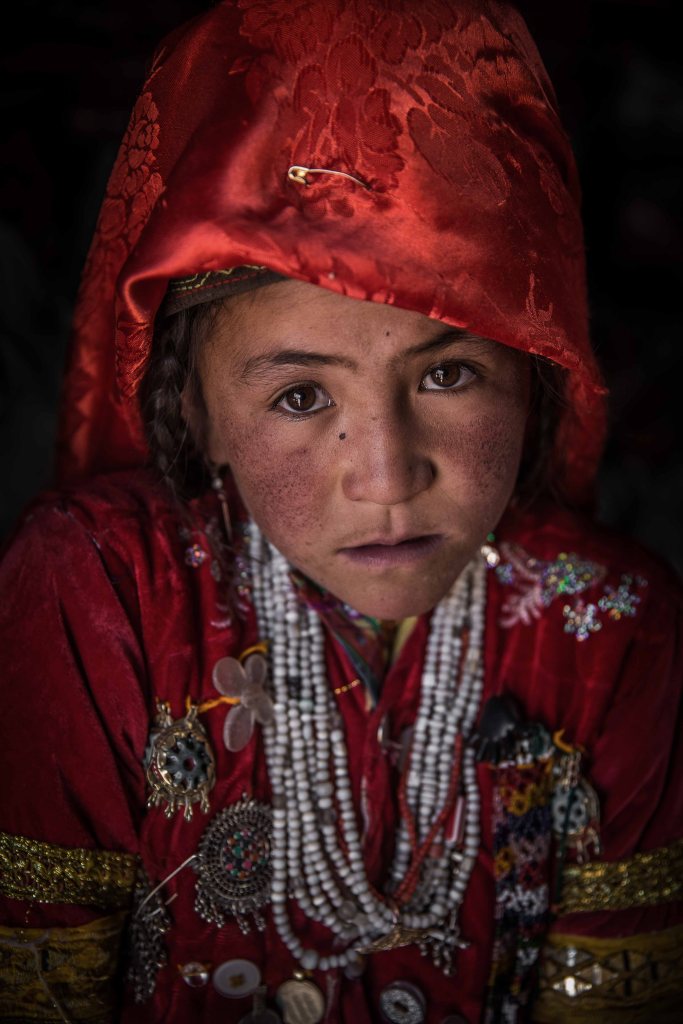
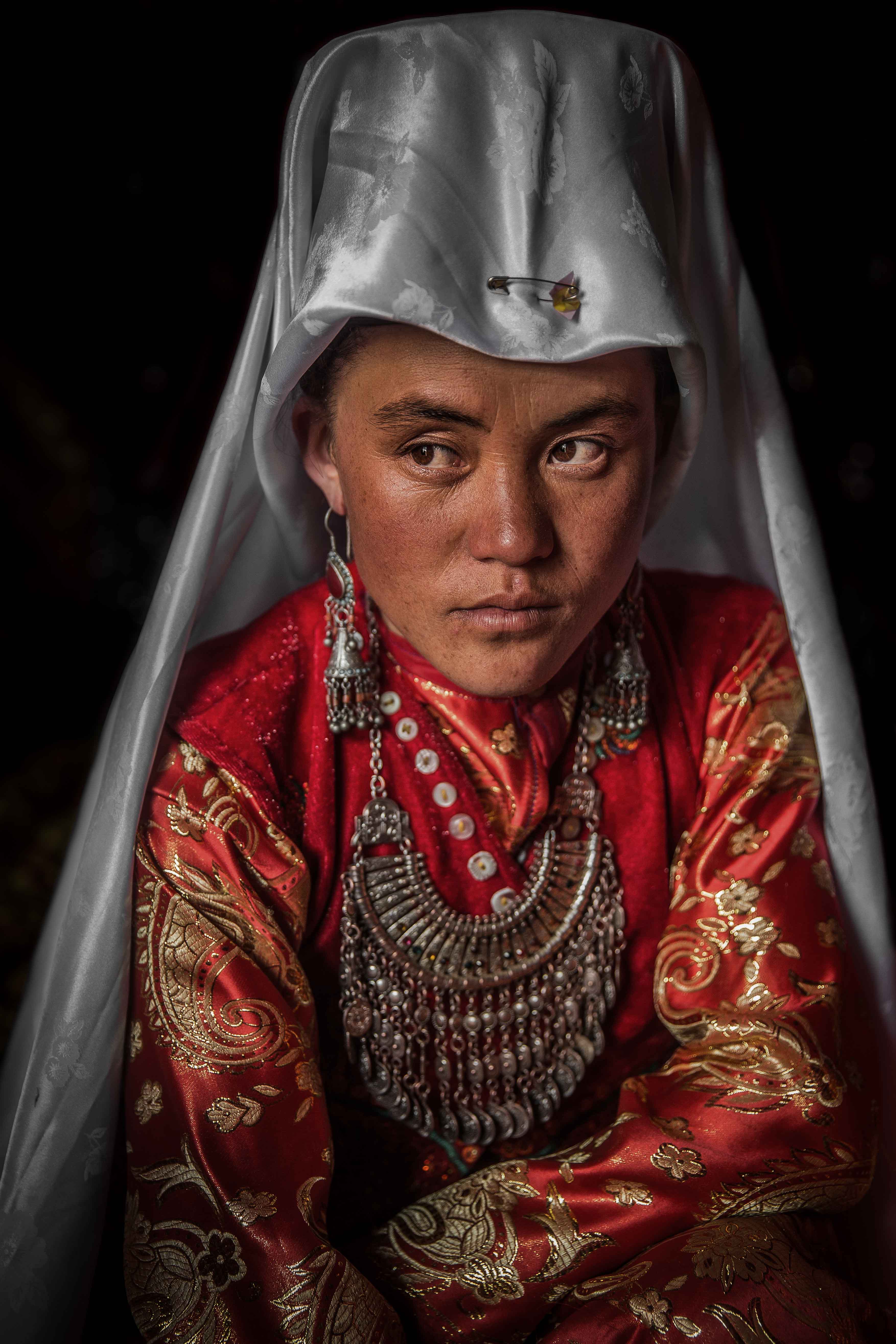
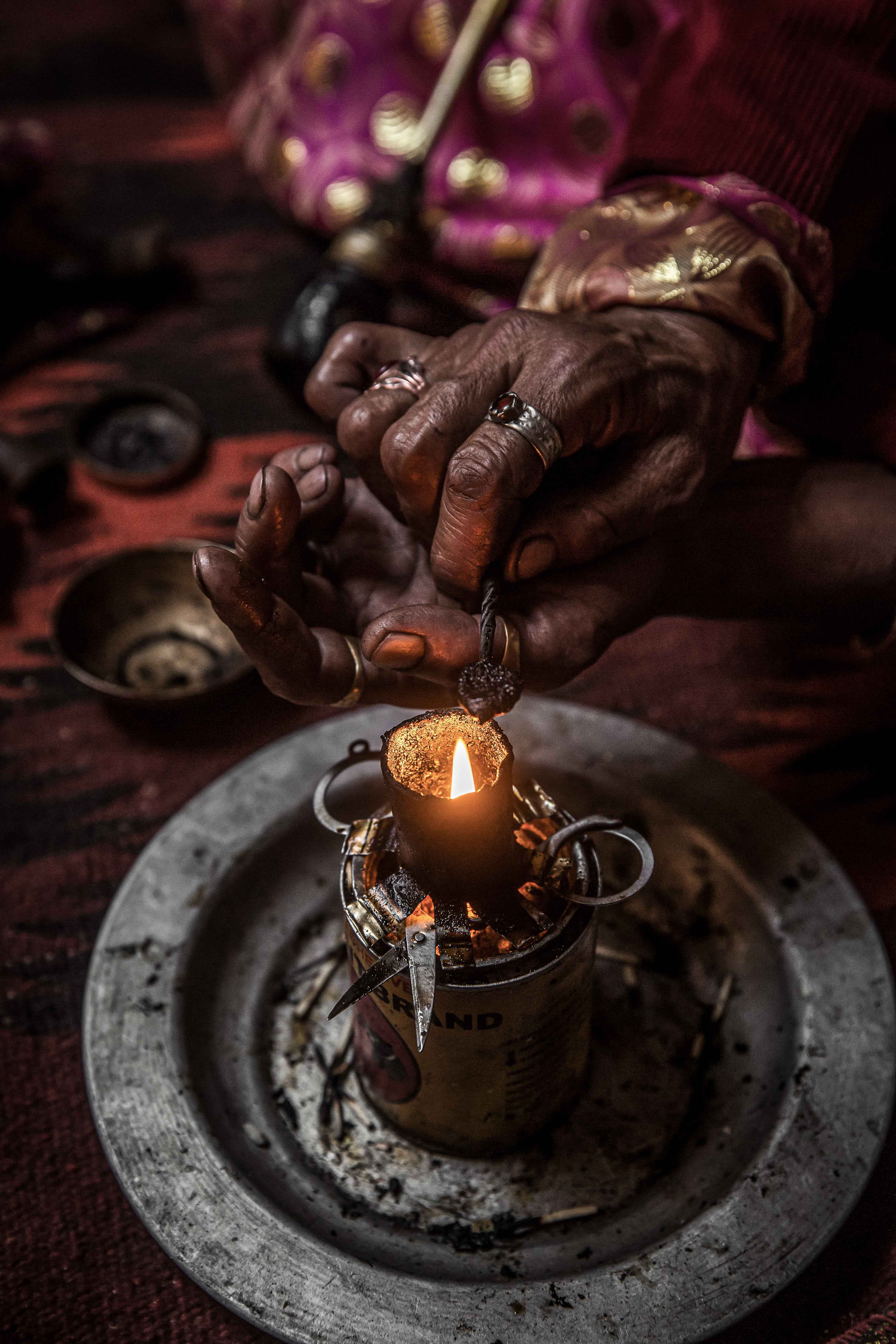
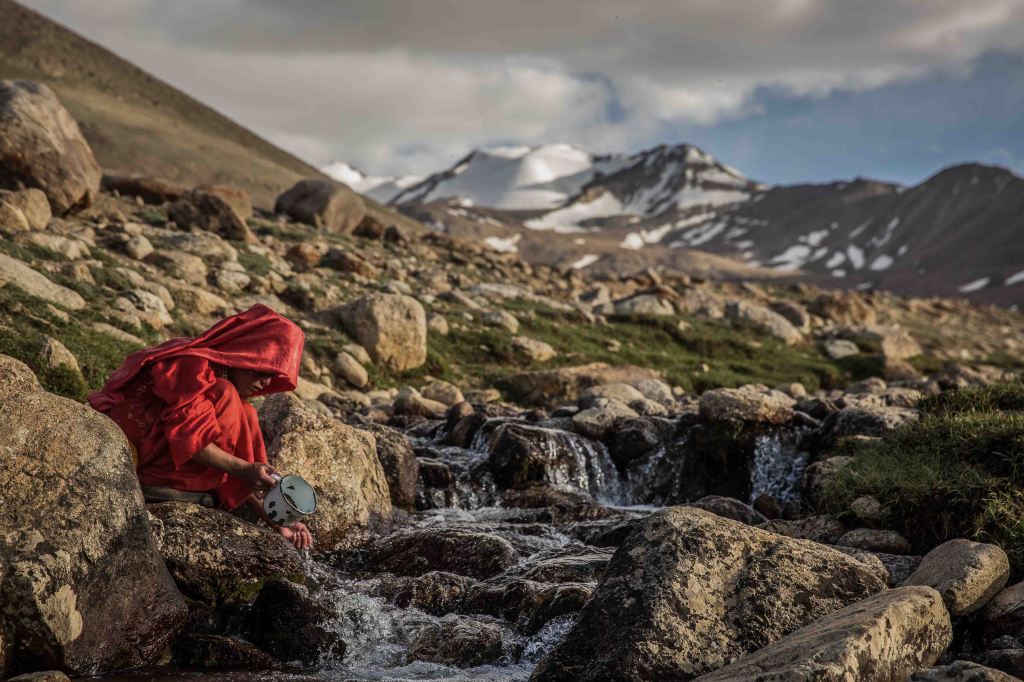
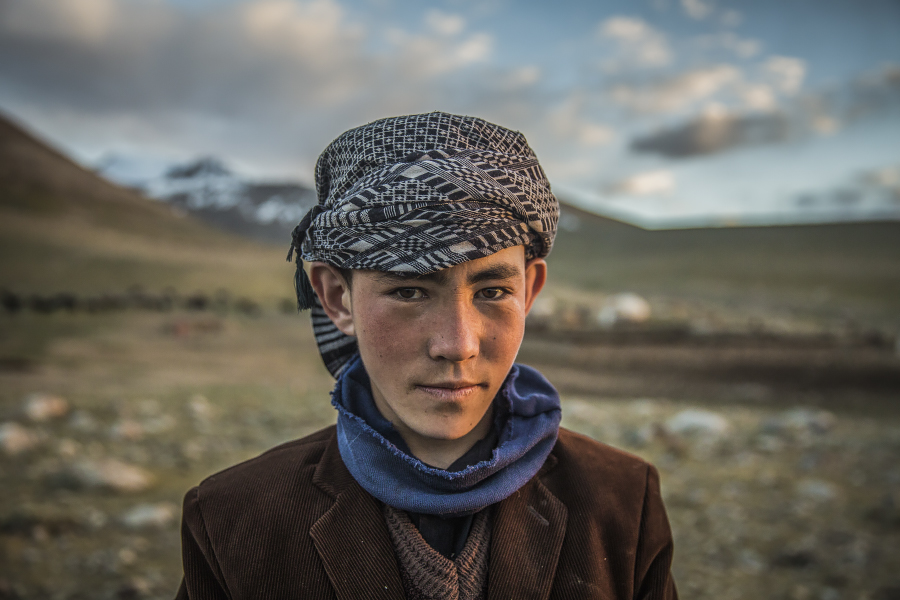
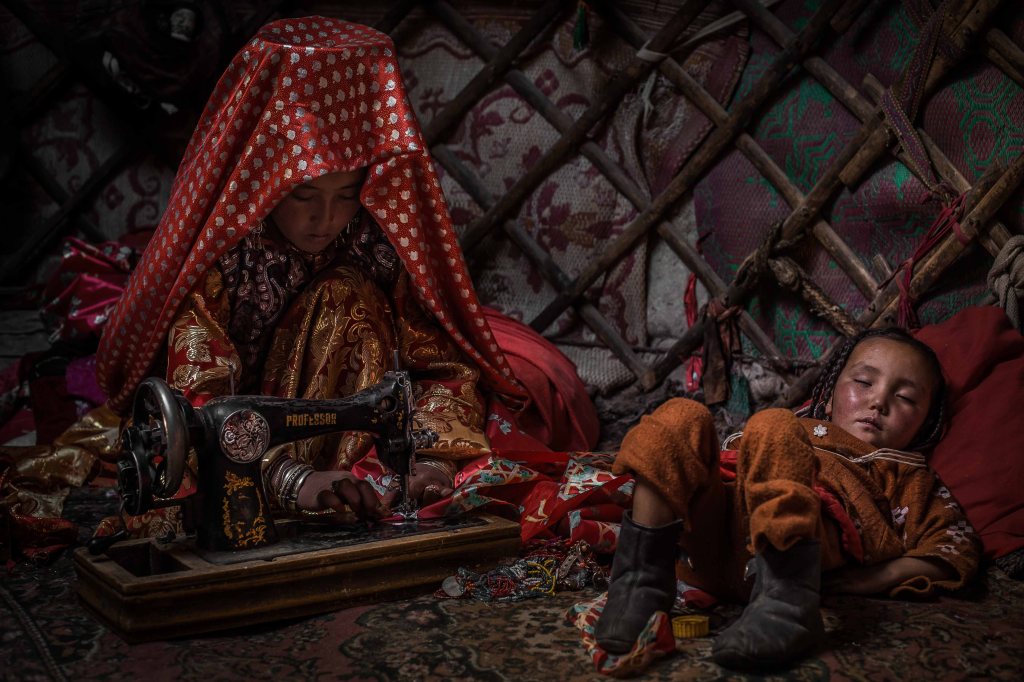
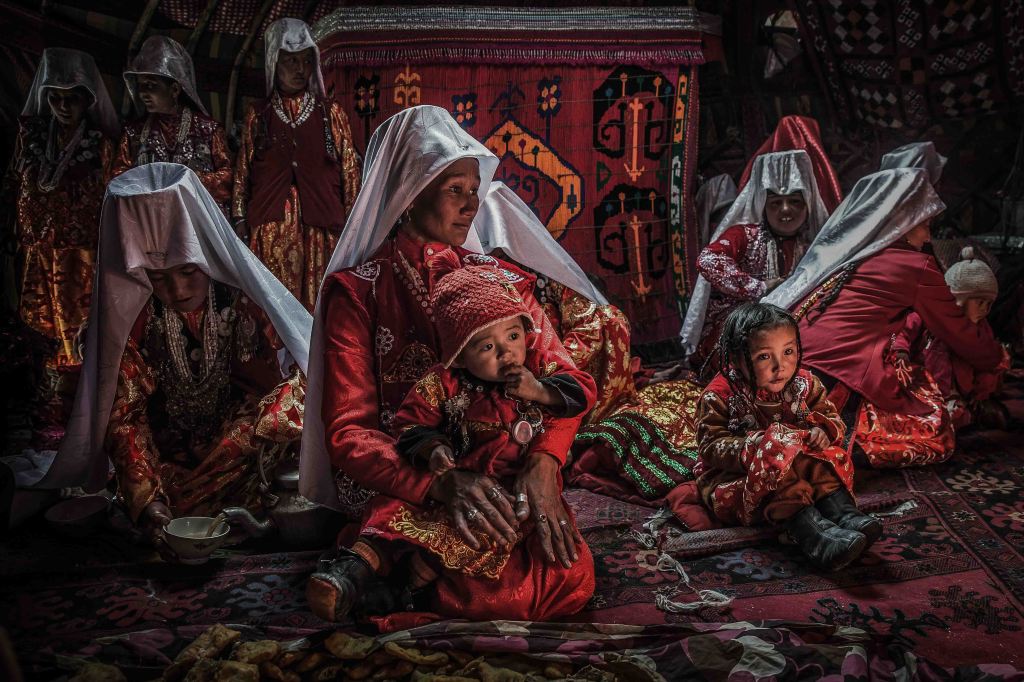
The Wakhan Corridor in northeastern Afghanistan is remote. Wind and weather affect life in the yurt settlements in the Afghan Pamirs, where the Kyrgyz population lives at over 4,000 meters above sea level. A region where there are no roads and the nearest urban center is at least five days' horse ride away. A story about the half nomadic life in isolation of the Pamir Mountains.
 PRISKA SEISENBACHER